
Foods


Baby's age
Category
🍎 Fruits
🥕 Vegetables
🍗 Proteins
🌾 Grains & Cereals
No foods available
Apple
Category
Fruits
How to offer it safely
Raw apple chunks are one of the top choking hazards.
Always seated, always with an adult watching.
How to Prepare
Steamed until it squashes between your fingers, in halves or thick slices without seeds, or finely grated raw. Raw only as very thin slices after 12 months; raw chunks not until about age 2.
Squish test: does the food squash easily between your thumb and index finger? Then it's soft enough.
Informational content only. It does not replace your pediatrician's advice.
See the safety guideCarrot
Category
Vegetables
How to offer it safely
Raw carrot (sticks, coins or baby carrots) is a high choking risk.
Always seated, always with an adult watching.
How to Prepare
Cooked until it squashes between your fingers, in thick lengthwise sticks (two adult fingers wide), or mashed. Never raw sticks or coins. Finely grated raw only from 9 months, mixed into food.
Squish test: does the food squash easily between your thumb and index finger? Then it's soft enough.
Recipes
- Potato and Carrot Mash 6+ months
- Shredded Chicken with Vegetables 6+ months
- Creamy Vegetable Soup 6+ months
- Vegetable Sticks 6+ months
- Quinoa with Vegetables 8+ months
- Pasta with Hidden Veggie Sauce 8+ months
- Fish en Papillote with Vegetables 7+ months
- Soft Chicken and Carrot Patties 6+ months
- Baked Veggie Fritters 7+ months
- Bean Soup with Little Pasta 8+ months
- Beef and Vegetable Stew Bites 9+ months
- Blender Savory Pie with Chicken and Veggies 9+ months
- No-Sugar Carrot and Banana Cake 12+ months
Informational content only. It does not replace your pediatrician's advice.
See the safety guideChickpea
Category
Proteins
How to offer it safely
Whole chickpeas are small, round and firm: a choking hazard for babies.
Always seated, always with an adult watching.
How to Prepare
Up to 9 months: mashed or as unsalted hummus. 9–12 months: well cooked and flattened one by one with a fork. Whole only after 1 year, once chewing well, and supervised.
Squish test: does the food squash easily between your thumb and index finger? Then it's soft enough.
Recipes
- Baby Hummus 6+ months
- Baked Chickpea Falafel 10+ months
Informational content only. It does not replace your pediatrician's advice.
See the safety guideShrimp
Category
Proteins
How to offer it safely
Rubbery and round: whole shrimp or shrimp rounds are a high choking risk.
Always seated, always with an adult watching.
How to Prepare
Always fully cooked, never raw. 6–9 months: finely chopped and mixed into something soft, or in a patty. 9+ months: small pieces cut lengthwise. Never in rounds or whole.
Squish test: does the food squash easily between your thumb and index finger? Then it's soft enough.
Warning: Allergen
Contains shellfish (crustacean), a common allergen. Offer it early (around 6 months), in a small amount, one new allergen at a time, ideally in the morning. Watch for 2 hours (hives, swelling, vomiting). If tolerated, keep it in the routine. Severe eczema or a known allergy: talk to your pediatrician first.
Informational content only. It does not replace your pediatrician's advice.
See the safety guideGrape
Category
Fruits
How to offer it safely
Never whole or just halved before age 4.
Always seated, always with an adult watching.
How to Prepare
ALWAYS cut into quarters lengthwise and, for babies under 9 months, flatten each piece. Prefer seedless grapes. Whole or halved grapes are a serious choking hazard until age 4.
Squish test: does the food squash easily between your thumb and index finger? Then it's soft enough.
Informational content only. It does not replace your pediatrician's advice.
See the safety guideCoconut
Category
Fruits
How to offer it safely
Pieces and flakes of mature coconut are hard: choking risk.
Always seated, always with an adult watching.
How to Prepare
Up to 9 months: only finely shredded unsweetened coconut mixed into porridge or fruit, or coconut milk in food. From 9 months: thin soft strips. Chunks, flakes and chips only after 18 months.
Squish test: does the food squash easily between your thumb and index finger? Then it's soft enough.
Recipes
- Chia Pudding with Mango 9+ months
Informational content only. It does not replace your pediatrician's advice.
See the safety guideBlueberry
Category
Fruits
How to offer it safely
Whole blueberries are round and firm: health agencies list them as a hazard until age 4.
Always seated, always with an adult watching.
How to Prepare
6 to 9 months: mashed, or cooked until they burst, mixed into plain yogurt or porridge. From 9 months: flatten each one between your fingers. Whole only once the child chews well, always supervised.
Squish test: does the food squash easily between your thumb and index finger? Then it's soft enough.
Recipes
- Greek Yogurt with Mashed Fruit 6+ months
Informational content only. It does not replace your pediatrician's advice.
See the safety guideCherry
Category
Fruits
How to offer it safely
Never whole or just halved; always pitted.
Always seated, always with an adult watching.
How to Prepare
Always pitted and quartered (or flattened). Up to 9 months it can also be mashed into plain yogurt or porridge. Never whole or just halved: same shape and risk as grapes.
Squish test: does the food squash easily between your thumb and index finger? Then it's soft enough.
Informational content only. It does not replace your pediatrician's advice.
See the safety guideCorn
Category
Vegetables
How to offer it safely
Loose kernels are a choking hazard before 12 months; popcorn until age 4.
Always seated, always with an adult watching.
How to Prepare
6 to 12 months: cooked corn on the cob cut into thick rounds, bigger than baby's mouth, to gnaw. Loose kernels only after 12 months, mashed or mixed in. Popcorn only after age 4.
Squish test: does the food squash easily between your thumb and index finger? Then it's soft enough.
Recipes
- Baked Polenta Sticks 6+ months
- Soft Polenta with Beef Sauce 6+ months
- Sweet Corn Porridge (No Sugar) 6+ months
- Brazilian Corn Couscous with Egg 7+ months
Informational content only. It does not replace your pediatrician's advice.
See the safety guidePeanut
Category
Proteins
How to offer it safely
Whole nuts, nut pieces and globs of nut butter are choking hazards: thin spread or ground only.
Always seated, always with an adult watching.
How to Prepare
Only as 100% peanut butter, thinly spread or thinned into porridge. Never whole or in pieces before age 4.
Squish test: does the food squash easily between your thumb and index finger? Then it's soft enough.
Warning: Allergen
Top allergen. Introducing it early (around 6 months) and keeping it 2–3 times a week lowers allergy risk. Start with 1/4 teaspoon of thinned peanut butter and watch for 2 hours. Severe eczema or egg allergy: talk to your pediatrician FIRST — testing and introduction at 4–6 months may be advised.
Recipes
- Banana with Peanut Butter 6+ months
Informational content only. It does not replace your pediatrician's advice.
See the safety guide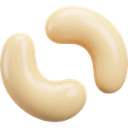
Cashew
Category
Proteins
How to offer it safely
Whole nuts, nut pieces and globs of nut butter are choking hazards: thin spread or ground only.
Always seated, always with an adult watching.
How to Prepare
Only as thinned nut butter or ground meal sprinkled on food. Whole cashews are off-limits before age 4.
Squish test: does the food squash easily between your thumb and index finger? Then it's soft enough.
Warning: Allergen
Contains tree nut, a common allergen. Offer it early (around 6 months), in a small amount, one new allergen at a time, ideally in the morning. Watch for 2 hours (hives, swelling, vomiting). If tolerated, keep it in the routine. Severe eczema or a known allergy: talk to your pediatrician first. Introduce each type of nut separately.
Informational content only. It does not replace your pediatrician's advice.
See the safety guide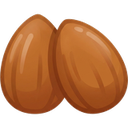
Almond
Category
Proteins
How to offer it safely
Whole nuts, nut pieces and globs of nut butter are choking hazards: thin spread or ground only.
Always seated, always with an adult watching.
How to Prepare
As thinned almond butter or almond flour in recipes. Never whole or slivered before age 4.
Squish test: does the food squash easily between your thumb and index finger? Then it's soft enough.
Warning: Allergen
Contains tree nut, a common allergen. Offer it early (around 6 months), in a small amount, one new allergen at a time, ideally in the morning. Watch for 2 hours (hives, swelling, vomiting). If tolerated, keep it in the routine. Severe eczema or a known allergy: talk to your pediatrician first. Introduce each type of nut separately.
Informational content only. It does not replace your pediatrician's advice.
See the safety guide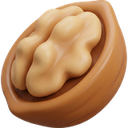
Walnut
Category
Proteins
How to offer it safely
Whole nuts, nut pieces and globs of nut butter are choking hazards: thin spread or ground only.
Always seated, always with an adult watching.
How to Prepare
As thin nut butter or ground into meal and mixed into food. Whole only after age 4.
Squish test: does the food squash easily between your thumb and index finger? Then it's soft enough.
Warning: Allergen
Contains tree nut, a common allergen. Offer it early (around 6 months), in a small amount, one new allergen at a time, ideally in the morning. Watch for 2 hours (hives, swelling, vomiting). If tolerated, keep it in the routine. Severe eczema or a known allergy: talk to your pediatrician first. Introduce each type of nut separately.
Informational content only. It does not replace your pediatrician's advice.
See the safety guide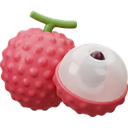
Lychee
Category
Fruits
How to offer it safely
Toxic seed and a round, slippery fruit: high choking risk. Never unripe.
Always seated, always with an adult watching.
How to Prepare
Only very ripe fruit, peeled and pitted, finely chopped or quartered and flattened. Offer it with a meal, never on an empty stomach. Whole only after age 2.
Informational content only. It does not replace your pediatrician's advice.
See the safety guide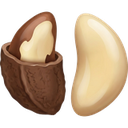
Brazil Nut
Category
Proteins
How to offer it safely
One Brazil nut has ~70–90 mcg of selenium; the safe upper limit at 7–12 months is 60 mcg/day.
Always seated, always with an adult watching.
How to Prepare
Only after 1 year because of selenium: a single nut can exceed a baby's daily limit. Serve finely grated or as a smooth thinned paste, at most half a nut per day, a few times a week.
Warning: Allergen
Contains tree nut, a common allergen. Offer it early (around 6 months), in a small amount, one new allergen at a time, ideally in the morning. Watch for 2 hours (hives, swelling, vomiting). If tolerated, keep it in the routine. Severe eczema or a known allergy: talk to your pediatrician first. Introduce each type of nut separately.
Informational content only. It does not replace your pediatrician's advice.
See the safety guide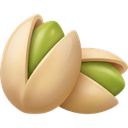
Pistachio
Category
Proteins
How to offer it safely
Whole nuts, nut pieces and globs of nut butter are choking hazards: thin spread or ground only.
Always seated, always with an adult watching.
How to Prepare
As thinned paste or ground into meal over food. Whole only after age 4.
Squish test: does the food squash easily between your thumb and index finger? Then it's soft enough.
Warning: Allergen
Contains tree nut, a common allergen. Offer it early (around 6 months), in a small amount, one new allergen at a time, ideally in the morning. Watch for 2 hours (hives, swelling, vomiting). If tolerated, keep it in the routine. Severe eczema or a known allergy: talk to your pediatrician first. Introduce each type of nut separately.
Informational content only. It does not replace your pediatrician's advice.
See the safety guide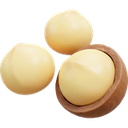
Macadamia
Category
Proteins
How to offer it safely
Whole nuts, nut pieces and globs of nut butter are choking hazards: thin spread or ground only.
Always seated, always with an adult watching.
How to Prepare
As thinned paste or grated over food. Very hard — whole only after age 4.
Squish test: does the food squash easily between your thumb and index finger? Then it's soft enough.
Warning: Allergen
Contains tree nut, a common allergen. Offer it early (around 6 months), in a small amount, one new allergen at a time, ideally in the morning. Watch for 2 hours (hives, swelling, vomiting). If tolerated, keep it in the routine. Severe eczema or a known allergy: talk to your pediatrician first. Introduce each type of nut separately.
Informational content only. It does not replace your pediatrician's advice.
See the safety guideAcerola (Barbados cherry)
Category
Fruits
How to offer it safely
Whole acerola is like a grape and has seeds: high choking risk.
Always seated, always with an adult watching.
How to Prepare
Remove the seeds and serve only the pulp, mashed or stirred into plain yogurt, porridge or another mashed fruit. Never whole: it is small, round and has seeds. Great alongside lunch, as its vitamin C helps iron absorption.
Squish test: does the food squash easily between your thumb and index finger? Then it's soft enough.
Informational content only. It does not replace your pediatrician's advice.
See the safety guideRaisins
Category
Fruits
How to offer it safely
Whole raisins are firm and sticky: high choking risk.
Always seated, always with an adult watching.
How to Prepare
Soak in hot water for 15 minutes, then chop very finely, mash or blend into porridge or plain yogurt. Whole raisins only around age 2, a few at a time.
Squish test: does the food squash easily between your thumb and index finger? Then it's soft enough.
Informational content only. It does not replace your pediatrician's advice.
See the safety guideOlive
Category
Fruits
How to offer it safely
Whole olives are round, slippery and may hide a pit: high choking risk.
Always seated, always with an adult watching.
How to Prepare
Always pitted. 6 to 9 months: finely chopped or as a paste, mixed into food or on toast. Later, thin rings. Whole only after age 2. It is salty: small amounts.
Squish test: does the food squash easily between your thumb and index finger? Then it's soft enough.
Informational content only. It does not replace your pediatrician's advice.
See the safety guideJaboticaba
Category
Fruits
How to offer it safely
Whole jaboticaba is like a grape: high choking risk.
Always seated, always with an adult watching.
How to Prepare
Remove the skin and the seed and serve only the pulp, mashed or mixed into plain yogurt. Never whole: it has the size and shape of a grape.
Squish test: does the food squash easily between your thumb and index finger? Then it's soft enough.
Informational content only. It does not replace your pediatrician's advice.
See the safety guideCelery
Category
Vegetables
How to offer it safely
Raw celery is hard and stringy: high choking risk.
Always seated, always with an adult watching.
How to Prepare
Remove the strings and cook until very soft, in thin half-moons mixed into food. Raw only as very thin slivers after 12 months. Raw sticks only around age 2.
Squish test: does the food squash easily between your thumb and index finger? Then it's soft enough.
Informational content only. It does not replace your pediatrician's advice.
See the safety guideHot dogs and processed meats
Category
Proteins
How to offer it safely
Hot dog coins are a leading cause of choking deaths in young children.
Always seated, always with an adult watching.
How to Prepare
Processed meats are ultra-processed, very salty and contain nitrites: Brazil's Ministry of Health advises not offering them before age 2. Same for sausages, ham and bologna. After that, rarely: hot dogs fully cooked and cut lengthwise into thin strips. Never in coins.
Informational content only. It does not replace your pediatrician's advice.
See the safety guidePopcorn
Category
Grains & Cereals
How to offer it safely
Popcorn is on the AAP choking-hazard list until age 4.
Always seated, always with an adult watching.
How to Prepare
Do not offer before age 4: hulls and unpopped kernels can be inhaled. For babies, use corn as polenta, corn couscous or kernels scraped off a cooked cob.
Informational content only. It does not replace your pediatrician's advice.
See the safety guideWhy these choke
- Round foods the size of the airway (grapes, cherry tomatoes, hot dog coins) and hard foods (raw carrot and apple, nuts) top every list (CDC) (AAP).
- Thick sticky spreads such as plain peanut butter stick to the palate; thin them.
- Almost all have a safe form: cut lengthwise, flatten, cook until soft or grate finely.
Choking is not gagging, which is noisy and protective: see how to tell them apart.
See the full list of 140 foods →
Lists by category
 Baby led weaning food list: search by age, cut and choking riskBaby led weaning food list with 140 foods: starting age, how to cut at 6, 9 and 12 months, choking risk and allergens. Search and filter.
- Fruits for baby led weaning: 36 fruits by ageFruits for baby led weaning from 6 months: 36 fruits with the cut for each stage, the choking risk and how to serve round or hard ones.
- Vegetables for baby led weaning: 36 veggies by ageVegetables for baby led weaning from 6 months: 36 vegetables with how soft to cook them, the cut by age and the choking risk.
- Protein for baby led weaning: 31 meats, eggs, fish and beansProtein for baby led weaning from 6 months: 31 meats, eggs, fish, beans and nuts with the cut for each stage and the allergens.
- Grains for baby led weaning: 22 grains and starchesGrains for baby led weaning from 6 months: rice, oats, corn, wheat, quinoa and 17 more, with the prep by age and gluten notes.
- Dairy products for baby: what starts at 6 months and what waitsDairy products for baby: plain yogurt and pasteurized cheese from 6 months, cow's milk as a drink only after 12 months, and what waits until 2.
- Foods babies can't eat yet, and until whenFoods babies can't eat: honey and cow's milk as a drink before 1, added sugar and processed snacks while small, popcorn and whole nuts before 4.
Guides that go deeper
- Baby led weaning first foods: 12 to start with
- Gagging vs choking: how to tell the difference
- How to introduce allergens to baby
- Baby led weaning meal plan by month
- How much solid food should a 6 month old eat?
Take the list on your phone
Only in the BLW Baby app for iPhone: the library comes with a feeding diary, where you tick each food baby has tried and note reactions.