
Foods


Baby's age
Category
🍎 Fruits
- BananaFrom 6 months
- AvocadoFrom 6 months
- MangoFrom 6 months
- PearFrom 6 months
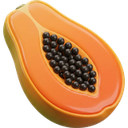 PapayaFrom 6 months
- CantaloupeFrom 6 months
- WatermelonFrom 6 months
- AppleFrom 6 months
- StrawberryFrom 6 months
- KiwiFrom 6 months
- OrangeFrom 6 months
- GrapeFrom 6 months
- PeachFrom 6 months
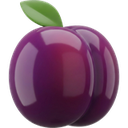 PlumFrom 6 months
- PineappleFrom 6 months
- CoconutFrom 6 months
- BlueberryFrom 6 months
 RaspberryFrom 6 months
- BlackberryFrom 6 months
- CherryFrom 6 months
- TangerineFrom 6 months
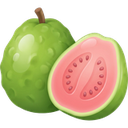 GuavaFrom 6 months
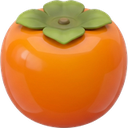 PersimmonFrom 6 months
 ApricotFrom 6 months
- PlantainFrom 6 months
 Passion fruitFrom 6 months
- NectarineFrom 6 months
 FigFrom 6 months
 LycheeFrom 1 year
 SoursopFrom 9 months
- Acerola (Barbados cherry)From 6 months
- Açaí (pure pulp)From 6 months
- RaisinsFrom 6 months
- OliveFrom 6 months
- JaboticabaFrom 6 months
- PomegranateFrom 6 months
🥕 Vegetables
- Sweet PotatoFrom 6 months
- CarrotFrom 6 months
- PumpkinFrom 6 months
- ChayoteFrom 6 months
- BroccoliFrom 6 months
- CauliflowerFrom 6 months
- ZucchiniFrom 6 months
- Green BeansFrom 6 months
- BeetFrom 6 months
- TaroFrom 6 months
- TomatoFrom 6 months
- CucumberFrom 6 months
- PotatoFrom 6 months
- SpinachFrom 6 months
- KaleFrom 6 months
- PeasFrom 6 months
- CornFrom 6 months
- Bell pepperFrom 6 months
- EggplantFrom 6 months
 OkraFrom 6 months
- CabbageFrom 6 months
- OnionFrom 6 months
- GarlicFrom 6 months
- MushroomFrom 6 months
 CassavaFrom 6 months
 Brussels sproutsFrom 6 months
 ArracachaFrom 6 months
 TurnipFrom 6 months
 RadishFrom 6 months
 ChardFrom 6 months
 AsparagusFrom 6 months
 FennelFrom 6 months
- Snap PeasFrom 6 months
- Lettuce and raw leafy greensFrom 6 months
- Fresh herbs (parsley, chives, cilantro, basil)From 6 months
- CeleryFrom 6 months
🍗 Proteins
- ChickenFrom 6 months
- BeefFrom 6 months
- Egg YolkAllergenFrom 6 months
- FishAllergenFrom 6 months
- BeansFrom 6 months
- LentilsFrom 6 months
- ChickpeaFrom 6 months
- Whole EggAllergenFrom 6 months
- ShrimpAllergenFrom 6 months
- PorkFrom 6 months
- TurkeyFrom 6 months
- LambFrom 6 months
- LiverFrom 6 months
- TilapiaAllergenFrom 6 months
- SalmonAllergenFrom 6 months
- SardineAllergenFrom 6 months
- TunaAllergenFrom 6 months
 TofuAllergenFrom 6 months
- EdamameAllergenFrom 6 months
- PeanutAllergenFrom 6 months
 CashewAllergenFrom 6 months
 AlmondAllergenFrom 6 months
 WalnutAllergenFrom 6 months
 Sesame (Tahini)AllergenFrom 6 months
- Quail EggAllergenFrom 6 months
- Ground BeefFrom 6 months
 Brazil NutAllergenFrom 1 year
 PistachioAllergenFrom 6 months
 MacadamiaAllergenFrom 6 months
- Hake / WhitingAllergenFrom 6 months
- Hot dogs and processed meatsFrom 2 years
🌾 Grains & Cereals
- RiceFrom 6 months
- OatmealAllergenFrom 6 months
- PastaAllergenFrom 6 months
- BreadAllergenFrom 6 months
- QuinoaFrom 6 months
- Brown RiceFrom 6 months
 PolentaFrom 6 months
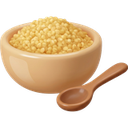 Couscous (corn or wheat)AllergenFrom 6 months
- TapiocaFrom 6 months
- BarleyAllergenFrom 6 months
- Bulgur WheatAllergenFrom 6 months
- Rye BreadAllergenFrom 6 months
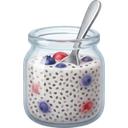 Chia SeedsFrom 6 months
- FlaxseedFrom 6 months
- Whole Wheat BreadAllergenFrom 6 months
- MilletFrom 6 months
- BuckwheatFrom 6 months
- Pita BreadAllergenFrom 6 months
- Brazilian cheese bread (pão de queijo)AllergenFrom 1 year
- PopcornFrom 4 years
- Rice cakesFrom 6 months
- Packaged biscuits and crackersAllergenFrom 2 years
🧀 Dairy
- Plain YogurtAllergenFrom 6 months
- CheeseAllergenFrom 6 months
- Cow's MilkAllergenFrom 1 year
- Cottage CheeseAllergenFrom 6 months
- RicottaAllergenFrom 6 months
- KefirAllergenFrom 6 months
- ButterAllergenFrom 6 months
- Cream CheeseAllergenFrom 6 months
- Plain Greek YogurtAllergenFrom 6 months
- Fresh White CheeseAllergenFrom 6 months
- Plant-based drinks (rice, oat, almond, soy)AllergenFrom 1 year
- Flavored yogurt, kids' yogurt pots and yogurt drinksAllergenFrom 2 years
🍯 Other
No foods available
Banana
Category
Fruits
How to Prepare
Ripe banana in a piece about the length of an adult finger, with some peel left at the bottom as a handle (baby does not eat the peel), or mashed. From 9 months, small soft pieces.
Squish test: does the food squash easily between your thumb and index finger? Then it's soft enough.
Recipes
- Banana Pancakes 6+ months
- Baked Banana with Cinnamon 6+ months
- Fruit with Yogurt 6+ months
- Banana Toast 8+ months
- Banana with Peanut Butter 6+ months
- Buckwheat Pancakes 6+ months
- Soft Filled Tapioca Crepe 9+ months
- Soft Banana Oat Cookies 6+ months
- No-Sugar Banana Bread 9+ months
- No-Sugar Carrot and Banana Cake 12+ months
Informational content only. It does not replace your pediatrician's advice.
See the safety guideAvocado
Category
Fruits
How to Prepare
Ripe avocado in thick slices or wedges; if it is too slippery, roll it in ground oats or leave a strip of skin on as a handle. It can also be mashed into porridge or onto toast.
Squish test: does the food squash easily between your thumb and index finger? Then it's soft enough.
Recipes
- Mashed Avocado 6+ months
Informational content only. It does not replace your pediatrician's advice.
See the safety guideMango
Category
Fruits
How to offer it safely
Firm mango is slippery: serve it only very ripe and never in cubes.
Always seated, always with an adult watching.
How to Prepare
Very ripe: in wide spears with the skin on as a handle, or the large peeled pit with a little flesh left on for baby to gnaw. From 9 months, small soft pieces. Never firm cubes.
Squish test: does the food squash easily between your thumb and index finger? Then it's soft enough.
Recipes
- Fruit with Yogurt 6+ months
- Greek Yogurt with Mashed Fruit 6+ months
- Chia Pudding with Mango 9+ months
Informational content only. It does not replace your pediatrician's advice.
See the safety guidePear
Category
Fruits
How to offer it safely
Firm raw pear is a choking hazard: cook or grate it first.
Always seated, always with an adult watching.
How to Prepare
Only very ripe and soft (squashes with light finger pressure), in thick peeled slices with the seeds removed. If it is firm, steam it or grate it finely.
Squish test: does the food squash easily between your thumb and index finger? Then it's soft enough.
Recipes
- Millet Porridge with Pear 6+ months
Informational content only. It does not replace your pediatrician's advice.
See the safety guidePapaya
Category
Fruits
How to Prepare
Very ripe papaya, skin and seeds removed, in thick slices or mashed. If it is slippery, roll it in ground oats. From 9 months, small soft pieces.
Squish test: does the food squash easily between your thumb and index finger? Then it's soft enough.
Informational content only. It does not replace your pediatrician's advice.
See the safety guideCantaloupe
Category
Fruits
How to offer it safely
Never as melon balls or cubes: firm melon is a choking hazard.
Always seated, always with an adult watching.
How to Prepare
Wash and scrub the rind before cutting. Serve very ripe, rind and seeds removed, in long flat slices (crescents). From 9 months, thin finger-size pieces.
Squish test: does the food squash easily between your thumb and index finger? Then it's soft enough.
Informational content only. It does not replace your pediatrician's advice.
See the safety guideWatermelon
Category
Fruits
How to offer it safely
Seeds out, and no melon balls or small cubes before 9 months: choking risk.
Always seated, always with an adult watching.
How to Prepare
Remove all seeds. 6 to 9 months: thick sticks (two adult fingers wide), rind removed, for baby to hold and suck. From 9 months: small bite-size pieces. Never as melon balls.
Squish test: does the food squash easily between your thumb and index finger? Then it's soft enough.
Informational content only. It does not replace your pediatrician's advice.
See the safety guideApple
Category
Fruits
How to offer it safely
Raw apple chunks are one of the top choking hazards.
Always seated, always with an adult watching.
How to Prepare
Steamed until it squashes between your fingers, in halves or thick slices without seeds, or finely grated raw. Raw only as very thin slices after 12 months; raw chunks not until about age 2.
Squish test: does the food squash easily between your thumb and index finger? Then it's soft enough.
Informational content only. It does not replace your pediatrician's advice.
See the safety guideStrawberry
Category
Fruits
How to offer it safely
A small, firm whole strawberry is a choking hazard: quarter it.
Always seated, always with an adult watching.
How to Prepare
6 to 9 months: large, ripe, soft strawberries, whole with the leaves removed, or mashed. From 9 months: thin slices or quarters. Small or firm berries always quartered. Wash well.
Squish test: does the food squash easily between your thumb and index finger? Then it's soft enough.
Recipes
- Fruit with Yogurt 6+ months
- Greek Yogurt with Mashed Fruit 6+ months
Informational content only. It does not replace your pediatrician's advice.
See the safety guideKiwi
Category
Fruits
How to offer it safely
Firm kiwi is slippery: serve it only very ripe and soft.
Always seated, always with an adult watching.
How to Prepare
Very ripe and soft, peeled, in halves or thick lengthwise wedges. From 9 months: thin slices or small pieces; roll them in ground oats if slippery.
Squish test: does the food squash easily between your thumb and index finger? Then it's soft enough.
Informational content only. It does not replace your pediatrician's advice.
See the safety guideOrange
Category
Fruits
How to offer it safely
Whole segments in their membrane are slippery: a choking risk before 18 months.
Always seated, always with an adult watching.
How to Prepare
6 to 9 months: thick wedges with the peel on and seeds removed, to hold and suck. From 9 months: small pieces of flesh with membrane, peel and seeds removed. Offer the fruit rather than juice.
Squish test: does the food squash easily between your thumb and index finger? Then it's soft enough.
Informational content only. It does not replace your pediatrician's advice.
See the safety guideSweet Potato
Category
Vegetables
How to Prepare
Steamed or roasted until very soft (squashes between your fingers), in thick finger-size sticks, skin on or off, or mashed. A source of vitamin A.
Squish test: does the food squash easily between your thumb and index finger? Then it's soft enough.
Recipes
- Fish with Vegetables 7+ months
- Vegetable Sticks 6+ months
- Sweet Potato Bites 7+ months
- Baked Salmon with Sweet Potato 6+ months
- Chicken Liver Pâté with Sweet Potato 6+ months
Informational content only. It does not replace your pediatrician's advice.
See the safety guideCarrot
Category
Vegetables
How to offer it safely
Raw carrot (sticks, coins or baby carrots) is a high choking risk.
Always seated, always with an adult watching.
How to Prepare
Cooked until it squashes between your fingers, in thick lengthwise sticks (two adult fingers wide), or mashed. Never raw sticks or coins. Finely grated raw only from 9 months, mixed into food.
Squish test: does the food squash easily between your thumb and index finger? Then it's soft enough.
Recipes
- Potato and Carrot Mash 6+ months
- Shredded Chicken with Vegetables 6+ months
- Creamy Vegetable Soup 6+ months
- Vegetable Sticks 6+ months
- Quinoa with Vegetables 8+ months
- Pasta with Hidden Veggie Sauce 8+ months
- Fish en Papillote with Vegetables 7+ months
- Soft Chicken and Carrot Patties 6+ months
- Baked Veggie Fritters 7+ months
- Bean Soup with Little Pasta 8+ months
- Beef and Vegetable Stew Bites 9+ months
- Blender Savory Pie with Chicken and Veggies 9+ months
- No-Sugar Carrot and Banana Cake 12+ months
Informational content only. It does not replace your pediatrician's advice.
See the safety guidePumpkin
Category
Vegetables
How to Prepare
Steamed or roasted until very soft, seeds removed, in thick wedges with the skin on as a handle, or mashed. Naturally sweet and easy to eat.
Squish test: does the food squash easily between your thumb and index finger? Then it's soft enough.
Recipes
- Ground Beef with Pumpkin 6+ months
- Creamy Vegetable Soup 6+ months
Informational content only. It does not replace your pediatrician's advice.
See the safety guideChayote
Category
Vegetables
How to Prepare
Peeled, with the central seed removed, cooked until very soft, in thick sticks or mashed. Mild flavor, great for starting.
Squish test: does the food squash easily between your thumb and index finger? Then it's soft enough.
Recipes
- Bean Soup with Little Pasta 8+ months
Informational content only. It does not replace your pediatrician's advice.
See the safety guideBroccoli
Category
Vegetables
How to Prepare
Large florets steamed until very soft, with the stem as a handle for baby to hold. From 9 months, small soft pieces. Not raw.
Squish test: does the food squash easily between your thumb and index finger? Then it's soft enough.
Recipes
- Fish with Vegetables 7+ months
- Creamy Rice with Broccoli and Cheese 9+ months
- Baked Veggie Fritters 7+ months
- Blender Savory Pie with Chicken and Veggies 9+ months
Informational content only. It does not replace your pediatrician's advice.
See the safety guideCauliflower
Category
Vegetables
How to Prepare
Large florets steamed until very soft, with the stem as a handle. From 9 months, small soft pieces. Not raw.
Squish test: does the food squash easily between your thumb and index finger? Then it's soft enough.
Informational content only. It does not replace your pediatrician's advice.
See the safety guideZucchini
Category
Vegetables
How to Prepare
Steamed, roasted or grilled until very soft, in thick sticks with the skin on (helps grip). From 9 months, small soft pieces. Not raw.
Squish test: does the food squash easily between your thumb and index finger? Then it's soft enough.
Recipes
- Shredded Chicken with Vegetables 6+ months
- Creamy Vegetable Soup 6+ months
- Vegetable Sticks 6+ months
- Quinoa with Vegetables 8+ months
- Pasta with Hidden Veggie Sauce 8+ months
- Fish en Papillote with Vegetables 7+ months
- Baked Zucchini Frittata 6+ months
- Baked Veggie Fritters 7+ months
- Mini Pita Pizza 12+ months
Informational content only. It does not replace your pediatrician's advice.
See the safety guideGreen Beans
Category
Vegetables
How to offer it safely
Raw or undercooked green beans are firm: choking risk.
Always seated, always with an adult watching.
How to Prepare
Trim the ends and string, then cook until very soft (squashes between your fingers). 6 to 9 months: whole beans to hold. From 9 months, small pieces. Never raw or crunchy.
Squish test: does the food squash easily between your thumb and index finger? Then it's soft enough.
Recipes
- Beef and Vegetable Stew Bites 9+ months
Informational content only. It does not replace your pediatrician's advice.
See the safety guideBeet
Category
Vegetables
How to offer it safely
Raw beet chunks are hard: choking risk.
Always seated, always with an adult watching.
How to Prepare
Boiled or roasted until very soft, peeled, in thick sticks or wedges, or mashed. Never raw chunks. It can turn pee and poop reddish, which is normal.
Squish test: does the food squash easily between your thumb and index finger? Then it's soft enough.
Informational content only. It does not replace your pediatrician's advice.
See the safety guideTaro
Category
Vegetables
How to offer it safely
Never raw: it contains irritating crystals that only cooking destroys.
Always seated, always with an adult watching.
How to Prepare
Always thoroughly cooked (raw taro irritates the mouth and throat), peeled, mashed or in soft sticks. Wear gloves to peel it if it makes your skin itch.
Squish test: does the food squash easily between your thumb and index finger? Then it's soft enough.
Informational content only. It does not replace your pediatrician's advice.
See the safety guideTomato
Category
Vegetables
How to offer it safely
Whole or halved cherry tomatoes are a high choking risk.
Always seated, always with an adult watching.
How to Prepare
6 to 9 months: a large ripe tomato in thick wedges to hold and suck. From 9 months: small pieces or thin slices. Cherry tomatoes, always quartered lengthwise.
Squish test: does the food squash easily between your thumb and index finger? Then it's soft enough.
Recipes
- Pasta with Homemade Tomato Sauce 8+ months
- Vegetable Omelet 7+ months
- Pasta with Hidden Veggie Sauce 8+ months
- Soft Polenta with Beef Sauce 6+ months
- Pulled Pot Roast with Cassava 6+ months
- Cassava and Beef Shepherd's Pie 8+ months
- Hake in Tomato Sauce with Rice 8+ months
- Chicken Stroganoff with Yogurt 8+ months
- Beef and Vegetable Stew Bites 9+ months
- Arracacha Gnocchi with Tomato Sauce 10+ months
- Pressure-Cooked Sardines on Toast 11+ months
- Brazilian Chicken and Turmeric Rice 12+ months
- Mini Pita Pizza 12+ months
Informational content only. It does not replace your pediatrician's advice.
See the safety guideCucumber
Category
Vegetables
How to offer it safely
Cucumber is firm and slippery: never in chunks or thick rounds.
Always seated, always with an adult watching.
How to Prepare
6 to 9 months: cucumber halved lengthwise, seeds scooped out, as a long piece for baby to gnaw. From 9 months: thin half-moon slices. Never chunks or thick rounds.
Squish test: does the food squash easily between your thumb and index finger? Then it's soft enough.
Informational content only. It does not replace your pediatrician's advice.
See the safety guideChicken
Category
Proteins
How to offer it safely
Remove skin, cartilage and loose bones; dry stringy meat is hard to swallow.
Always seated, always with an adult watching.
How to Prepare
Cook until tender with no pink inside. 6–9 months: a large drumstick with skin and loose bones removed, or finely shredded mixed into something moist. 9+ months: small soft pieces. No salt.
Squish test: does the food squash easily between your thumb and index finger? Then it's soft enough.
Recipes
- Shredded Chicken with Vegetables 6+ months
- Creamy Cassava Chicken Soup 6+ months
- Moist Couscous with Shredded Chicken 8+ months
- Chicken with Arracacha 6+ months
- Chicken Liver Pâté with Sweet Potato 6+ months
- Soft Chicken and Carrot Patties 6+ months
- Chicken Stroganoff with Yogurt 8+ months
- Blender Savory Pie with Chicken and Veggies 9+ months
- Brazilian Chicken and Turmeric Rice 12+ months
Informational content only. It does not replace your pediatrician's advice.
See the safety guideBeef
Category
Proteins
How to offer it safely
Hard cubes of meat are a choking hazard; the meat should fall apart between your fingers.
Always seated, always with an adult watching.
How to Prepare
Cook until it falls apart (pressure cooker or slow-cook). 6–9 months: large strips about two fingers wide to suck on, or shredded/ground mixed into a mash. 9+ months: small soft pieces. No salt.
Squish test: does the food squash easily between your thumb and index finger? Then it's soft enough.
Recipes
- Ground Beef with Pumpkin 6+ months
- Soft Beef Meatballs 6+ months
- Soft Polenta with Beef Sauce 6+ months
- Pulled Pot Roast with Cassava 6+ months
- Cassava and Beef Shepherd's Pie 8+ months
- Beef and Vegetable Stew Bites 9+ months
Informational content only. It does not replace your pediatrician's advice.
See the safety guideEgg Yolk
Category
Proteins
How to offer it safely
Always fully cook eggs until yolk and white are firm (salmonella risk).
Always seated, always with an adult watching.
How to Prepare
Current guidance is to offer the whole egg (yolk and white), fully cooked, from 6 months. Firm yolk mashed with breast milk, or a well-cooked omelet in strips. Never runny, undercooked or raw.
Squish test: does the food squash easily between your thumb and index finger? Then it's soft enough.
Warning: Allergen
Contains egg, a common allergen. Offer it early (around 6 months), in a small amount, one new allergen at a time, ideally in the morning. Watch for 2 hours (hives, swelling, vomiting). If tolerated, keep it in the routine. Severe eczema or a known allergy: talk to your pediatrician first.
Informational content only. It does not replace your pediatrician's advice.
See the safety guideFish
Category
Proteins
How to offer it safely
Shark, swordfish and marlin are high in mercury and should never be given to children.
Always seated, always with an adult watching.
How to Prepare
Choose low-mercury fish: tilapia, salmon, sardines, hake, cod, trout. Cook well, flake and check for bones. Never shark, swordfish, marlin, king mackerel or bigeye tuna.
Squish test: does the food squash easily between your thumb and index finger? Then it's soft enough.
Warning: Allergen
Contains fish, a common allergen. Offer it early (around 6 months), in a small amount, one new allergen at a time, ideally in the morning. Watch for 2 hours (hives, swelling, vomiting). If tolerated, keep it in the routine. Severe eczema or a known allergy: talk to your pediatrician first.
Recipes
- Fish with Vegetables 7+ months
- Baked Salmon with Sweet Potato 6+ months
- Fish en Papillote with Vegetables 7+ months
- Baked Tilapia Cakes 6+ months
- Hake in Tomato Sauce with Rice 8+ months
- Pressure-Cooked Sardines on Toast 11+ months
Informational content only. It does not replace your pediatrician's advice.
See the safety guideBeans
Category
Proteins
How to Prepare
Cook well and serve the mashed beans, not just the broth (the broth has few nutrients). 9+ months: soft beans flattened one by one with a fork. Season with onion, garlic and herbs, no salt.
Squish test: does the food squash easily between your thumb and index finger? Then it's soft enough.
Recipes
- Rice and Bean Patties 7+ months
- Mashed Rice and Beans 6+ months
- Bean Soup with Little Pasta 8+ months
Informational content only. It does not replace your pediatrician's advice.
See the safety guideLentils
Category
Proteins
How to Prepare
Cook until it falls apart and serve mashed, as a thick purée or in soft patties. Rich in iron: serve with a vitamin C-rich fruit to boost absorption.
Squish test: does the food squash easily between your thumb and index finger? Then it's soft enough.
Recipes
- Creamy Lentils with Rice 6+ months
Informational content only. It does not replace your pediatrician's advice.
See the safety guideChickpea
Category
Proteins
How to offer it safely
Whole chickpeas are small, round and firm: a choking hazard for babies.
Always seated, always with an adult watching.
How to Prepare
Up to 9 months: mashed or as unsalted hummus. 9–12 months: well cooked and flattened one by one with a fork. Whole only after 1 year, once chewing well, and supervised.
Squish test: does the food squash easily between your thumb and index finger? Then it's soft enough.
Recipes
- Baby Hummus 6+ months
- Baked Chickpea Falafel 10+ months
Informational content only. It does not replace your pediatrician's advice.
See the safety guideWhole Egg
Category
Proteins
How to offer it safely
Never raw or runny egg (salmonella); watch for raw egg in batters and creams.
Always seated, always with an adult watching.
How to Prepare
Can start at 6 months, always fully cooked: a well-cooked omelet in strips, or hard-boiled egg in quarters or mashed. Yolk and white firm, never runny. Once tolerated, offer a few times a week.
Squish test: does the food squash easily between your thumb and index finger? Then it's soft enough.
Warning: Allergen
Contains egg, a common allergen. Offer it early (around 6 months), in a small amount, one new allergen at a time, ideally in the morning. Watch for 2 hours (hives, swelling, vomiting). If tolerated, keep it in the routine. Severe eczema or a known allergy: talk to your pediatrician first.
Recipes
- Banana Pancakes 6+ months
- Soft Scrambled Egg 6+ months
- Vegetable Omelet 7+ months
- Spinach Potato Patties 6+ months
- Buckwheat Pancakes 6+ months
- Baked Tilapia Cakes 6+ months
- Baked Zucchini Frittata 6+ months
- Brazilian Corn Couscous with Egg 7+ months
- Baked Veggie Fritters 7+ months
- Blender Savory Pie with Chicken and Veggies 9+ months
- No-Sugar Banana Bread 9+ months
- Arracacha Gnocchi with Tomato Sauce 10+ months
- No-Sugar Carrot and Banana Cake 12+ months
Informational content only. It does not replace your pediatrician's advice.
See the safety guideShrimp
Category
Proteins
How to offer it safely
Rubbery and round: whole shrimp or shrimp rounds are a high choking risk.
Always seated, always with an adult watching.
How to Prepare
Always fully cooked, never raw. 6–9 months: finely chopped and mixed into something soft, or in a patty. 9+ months: small pieces cut lengthwise. Never in rounds or whole.
Squish test: does the food squash easily between your thumb and index finger? Then it's soft enough.
Warning: Allergen
Contains shellfish (crustacean), a common allergen. Offer it early (around 6 months), in a small amount, one new allergen at a time, ideally in the morning. Watch for 2 hours (hives, swelling, vomiting). If tolerated, keep it in the routine. Severe eczema or a known allergy: talk to your pediatrician first.
Informational content only. It does not replace your pediatrician's advice.
See the safety guideRice
Category
Grains & Cereals
How to offer it safely
Rice absorbs arsenic: rotate with other grains and never use rice drink instead of milk.
Always seated, always with an adult watching.
How to Prepare
Cook until very soft and serve as pressed balls or mashed with beans. Because of arsenic, cook in plenty of water, drain the excess and rotate with other grains (oats, corn, quinoa).
Squish test: does the food squash easily between your thumb and index finger? Then it's soft enough.
Recipes
- Rice and Bean Patties 7+ months
- Creamy Lentils with Rice 6+ months
- Creamy Rice with Broccoli and Cheese 9+ months
- Mashed Rice and Beans 6+ months
- Hake in Tomato Sauce with Rice 8+ months
- Chicken Stroganoff with Yogurt 8+ months
- Brazilian Chicken and Turmeric Rice 12+ months
Informational content only. It does not replace your pediatrician's advice.
See the safety guideOatmeal
Category
Grains & Cereals
How to Prepare
Cook with water, breast milk or formula into a thick porridge the baby can scoop by hand or from a pre-loaded spoon. Also in soft pancakes with no sugar.
Squish test: does the food squash easily between your thumb and index finger? Then it's soft enough.
Warning: Allergen
Oats are not a common allergen themselves, but they are often cross-contaminated with wheat and are listed among gluten cereals. They can start at 6 months. If celiac disease runs in the family, ask your pediatrician and use certified gluten-free oats.
Recipes
- Banana Pancakes 6+ months
- Oatmeal Porridge with Fruit 6+ months
- Rice and Bean Patties 7+ months
- Sweet Potato Bites 7+ months
- Spinach Potato Patties 6+ months
- Baked Tilapia Cakes 6+ months
- Soft Banana Oat Cookies 6+ months
- Soft Chicken and Carrot Patties 6+ months
- Baked Veggie Fritters 7+ months
- No-Sugar Banana Bread 9+ months
- Baked Chickpea Falafel 10+ months
Informational content only. It does not replace your pediatrician's advice.
See the safety guidePasta
Category
Grains & Cereals
How to Prepare
Cook until very soft (a bit past al dente). Large shapes like fusilli and penne are easy to hold; from 9 months, short small pieces. No salt in the water.
Squish test: does the food squash easily between your thumb and index finger? Then it's soft enough.
Warning: Allergen
Contains wheat (gluten), a common allergen. Offer it early (around 6 months), in a small amount, one new allergen at a time, ideally in the morning. Watch for 2 hours (hives, swelling, vomiting). If tolerated, keep it in the routine. Severe eczema or a known allergy: talk to your pediatrician first. Celiac disease in the family: check with your pediatrician.
Recipes
- Pasta with Homemade Tomato Sauce 8+ months
- Pasta with Hidden Veggie Sauce 8+ months
- Bean Soup with Little Pasta 8+ months
Informational content only. It does not replace your pediatrician's advice.
See the safety guideBread
Category
Grains & Cereals
How to offer it safely
Soft fresh bread can form a sticky ball in the mouth: prefer lightly toasted strips.
Always seated, always with an adult watching.
How to Prepare
Lightly toasted finger-sized strips topped with something moist (avocado, hummus, ricotta). Choose bread with little salt and no sugar. Check the label for milk, egg or sesame.
Squish test: does the food squash easily between your thumb and index finger? Then it's soft enough.
Warning: Allergen
Contains wheat (gluten), a common allergen. Offer it early (around 6 months), in a small amount, one new allergen at a time, ideally in the morning. Watch for 2 hours (hives, swelling, vomiting). If tolerated, keep it in the routine. Severe eczema or a known allergy: talk to your pediatrician first. Celiac disease in the family: check with your pediatrician.
Recipes
- Banana Toast 8+ months
- Pressure-Cooked Sardines on Toast 11+ months
- Mini Pita Pizza 12+ months
Informational content only. It does not replace your pediatrician's advice.
See the safety guideQuinoa
Category
Grains & Cereals
How to Prepare
Rinse well before cooking (removes bitterness) and cook until soft. Serve on a pre-loaded spoon, mixed into mashes or in pressed patties the baby can hold.
Squish test: does the food squash easily between your thumb and index finger? Then it's soft enough.
Recipes
- Quinoa with Vegetables 8+ months
Informational content only. It does not replace your pediatrician's advice.
See the safety guidePlain Yogurt
Category
Dairy
How to Prepare
Whole-milk, plain and unsweetened, from 6 months. On a pre-loaded spoon or mixed with mashed fruit. Avoid sweetened kids' yogurts and yogurt drinks.
Squish test: does the food squash easily between your thumb and index finger? Then it's soft enough.
Warning: Allergen
Contains cow's milk protein, a common allergen. Offer it early (around 6 months), in a small amount, one new allergen at a time, ideally in the morning. Watch for 2 hours (hives, swelling, vomiting). If tolerated, keep it in the routine. Severe eczema or a known allergy: talk to your pediatrician first.
Recipes
- Fruit with Yogurt 6+ months
- Chicken Stroganoff with Yogurt 8+ months
- Baked Chickpea Falafel 10+ months
Informational content only. It does not replace your pediatrician's advice.
See the safety guideCheese
Category
Dairy
How to offer it safely
Cubes and firm sticks of cheese are a choking hazard; serve grated or thinly sliced.
Always seated, always with an adult watching.
How to Prepare
Pasteurized, low-salt cheese only (mozzarella, fresh white cheese). Cubes and large or hard chunks are a choking hazard for young children (CDC): serve it grated, melted or in thin slices. Avoid brie, camembert and salty aged cheeses.
Squish test: does the food squash easily between your thumb and index finger? Then it's soft enough.
Warning: Allergen
Contains cow's milk protein, a common allergen. Offer it early (around 6 months), in a small amount, one new allergen at a time, ideally in the morning. Watch for 2 hours (hives, swelling, vomiting). If tolerated, keep it in the routine. Severe eczema or a known allergy: talk to your pediatrician first.
Recipes
- Creamy Rice with Broccoli and Cheese 9+ months
- Baked Zucchini Frittata 6+ months
- Baked Veggie Fritters 7+ months
- Cassava and Beef Shepherd's Pie 8+ months
- Mini Pita Pizza 12+ months
Informational content only. It does not replace your pediatrician's advice.
See the safety guideCow's Milk
Category
Dairy
How to offer it safely
Aim for up to about 500 ml (2 cups) a day. Too much milk curbs appetite, and above ~700 ml (24 oz) a day the risk of iron-deficiency anemia rises.
Always seated, always with an adult watching.
How to Prepare
As a drink, only after 1 year: whole, pasteurized, in a cup, up to about 16 oz (480 ml) a day. Before 1 year, only small amounts in cooking (mash, porridge). Never a substitute for breast milk or formula.
Warning: Allergen
Contains cow's milk protein, a common allergen. Offer it early (around 6 months), in a small amount, one new allergen at a time, ideally in the morning. Watch for 2 hours (hives, swelling, vomiting). If tolerated, keep it in the routine. Severe eczema or a known allergy: talk to your pediatrician first.
Recipes
- Sweet Corn Porridge (No Sugar) 6+ months
- Cassava and Beef Shepherd's Pie 8+ months
- Blender Savory Pie with Chicken and Veggies 9+ months
Informational content only. It does not replace your pediatrician's advice.
See the safety guideGrape
Category
Fruits
How to offer it safely
Never whole or just halved before age 4.
Always seated, always with an adult watching.
How to Prepare
ALWAYS cut into quarters lengthwise and, for babies under 9 months, flatten each piece. Prefer seedless grapes. Whole or halved grapes are a serious choking hazard until age 4.
Squish test: does the food squash easily between your thumb and index finger? Then it's soft enough.
Informational content only. It does not replace your pediatrician's advice.
See the safety guidePeach
Category
Fruits
How to offer it safely
Firm peach is slippery: cook it before serving.
Always seated, always with an adult watching.
How to Prepare
Very ripe and soft, pitted, in thick slices with or without the skin. If it is firm, steam it until soft. From 9 months, small soft pieces.
Squish test: does the food squash easily between your thumb and index finger? Then it's soft enough.
Informational content only. It does not replace your pediatrician's advice.
See the safety guidePlum
Category
Fruits
How to offer it safely
Always pitted; prunes only rehydrated and finely chopped.
Always seated, always with an adult watching.
How to Prepare
Very ripe and soft, pitted, in halves or thick slices; the skin helps baby grip. If it is firm, cook it until soft. From 9 months, small soft pieces.
Squish test: does the food squash easily between your thumb and index finger? Then it's soft enough.
Informational content only. It does not replace your pediatrician's advice.
See the safety guidePineapple
Category
Fruits
How to offer it safely
Firm pineapple cubes are a choking hazard.
Always seated, always with an adult watching.
How to Prepare
Very ripe, peeled and cored, in long flat strips. From 9 months, small soft pieces. Never firm cubes or canned chunks. It is acidic: mild redness around the mouth is common.
Squish test: does the food squash easily between your thumb and index finger? Then it's soft enough.
Informational content only. It does not replace your pediatrician's advice.
See the safety guideCoconut
Category
Fruits
How to offer it safely
Pieces and flakes of mature coconut are hard: choking risk.
Always seated, always with an adult watching.
How to Prepare
Up to 9 months: only finely shredded unsweetened coconut mixed into porridge or fruit, or coconut milk in food. From 9 months: thin soft strips. Chunks, flakes and chips only after 18 months.
Squish test: does the food squash easily between your thumb and index finger? Then it's soft enough.
Recipes
- Chia Pudding with Mango 9+ months
Informational content only. It does not replace your pediatrician's advice.
See the safety guideBlueberry
Category
Fruits
How to offer it safely
Whole blueberries are round and firm: health agencies list them as a hazard until age 4.
Always seated, always with an adult watching.
How to Prepare
6 to 9 months: mashed, or cooked until they burst, mixed into plain yogurt or porridge. From 9 months: flatten each one between your fingers. Whole only once the child chews well, always supervised.
Squish test: does the food squash easily between your thumb and index finger? Then it's soft enough.
Recipes
- Greek Yogurt with Mashed Fruit 6+ months
Informational content only. It does not replace your pediatrician's advice.
See the safety guideRaspberry
Category
Fruits
How to offer it safely
Flatten first: small whole fruit can cause choking.
Always seated, always with an adult watching.
How to Prepare
Very ripe and soft: flatten each one between your fingers or tear it in half before serving, or mash it into porridge. Wash well. From 12 months, whole if the child chews well.
Squish test: does the food squash easily between your thumb and index finger? Then it's soft enough.
Informational content only. It does not replace your pediatrician's advice.
See the safety guideBlackberry
Category
Fruits
How to offer it safely
Firm whole blackberries are a choking hazard: flatten or quarter them.
Always seated, always with an adult watching.
How to Prepare
Only very ripe and soft. Up to 9 months: mashed or flattened between your fingers. From 9 months: quartered lengthwise or flattened. Never serve firm or large berries whole.
Squish test: does the food squash easily between your thumb and index finger? Then it's soft enough.
Informational content only. It does not replace your pediatrician's advice.
See the safety guideCherry
Category
Fruits
How to offer it safely
Never whole or just halved; always pitted.
Always seated, always with an adult watching.
How to Prepare
Always pitted and quartered (or flattened). Up to 9 months it can also be mashed into plain yogurt or porridge. Never whole or just halved: same shape and risk as grapes.
Squish test: does the food squash easily between your thumb and index finger? Then it's soft enough.
Informational content only. It does not replace your pediatrician's advice.
See the safety guideTangerine
Category
Fruits
How to offer it safely
Whole segments in their membrane are slippery: choking risk.
Always seated, always with an adult watching.
How to Prepare
Remove the seeds and the membrane of each segment. Up to 9 months: mashed flesh or flattened pieces. From 9 months: small pieces of flesh. Whole segments with membrane only after 18 months.
Squish test: does the food squash easily between your thumb and index finger? Then it's soft enough.
Informational content only. It does not replace your pediatrician's advice.
See the safety guideGuava
Category
Fruits
How to offer it safely
Guava seeds are small and hard: remove all of them.
Always seated, always with an adult watching.
How to Prepare
Very ripe and soft: remove the skin and all the seeds (scoop the flesh with a spoon) and serve it mashed or in large soft pieces. Never with seeds.
Squish test: does the food squash easily between your thumb and index finger? Then it's soft enough.
Informational content only. It does not replace your pediatrician's advice.
See the safety guidePersimmon
Category
Fruits
How to offer it safely
Firm persimmon is slippery: only very ripe.
Always seated, always with an adult watching.
How to Prepare
Only very ripe and soft: flesh scooped with a spoon or soft wedges, seeds and calyx removed. From 9 months, small pieces. Firm persimmon is slippery and astringent: wait until it ripens.
Squish test: does the food squash easily between your thumb and index finger? Then it's soft enough.
Informational content only. It does not replace your pediatrician's advice.
See the safety guideApricot
Category
Fruits
How to offer it safely
Whole dried fruit is hard and sticky: choking risk.
Always seated, always with an adult watching.
How to Prepare
Fresh: very ripe, pitted, in halves or mashed. Dried: soak in hot water and chop very finely, mixed into food. Whole dried apricots only after age 2.
Squish test: does the food squash easily between your thumb and index finger? Then it's soft enough.
Informational content only. It does not replace your pediatrician's advice.
See the safety guidePlantain
Category
Fruits
How to Prepare
Always cooked, baked or grilled until very soft, in thick sticks or mashed. Raw plantain is hard and hard to digest. No sugar, not fried.
Squish test: does the food squash easily between your thumb and index finger? Then it's soft enough.
Informational content only. It does not replace your pediatrician's advice.
See the safety guidePassion fruit
Category
Fruits
How to offer it safely
Unripe fruit and the peel can be toxic: use only ripe passion fruit.
Always seated, always with an adult watching.
How to Prepare
Only the pulp of fully ripe fruit (wrinkled skin), mixed into plain yogurt or mashed fruit, without sugar. The seeds are not usually a choking hazard; strain them if you prefer.
Squish test: does the food squash easily between your thumb and index finger? Then it's soft enough.
Informational content only. It does not replace your pediatrician's advice.
See the safety guidePotato
Category
Vegetables
How to Prepare
Cooked until very soft, in thick sticks or mashed with a drizzle of olive oil. No added salt. No fries or chips.
Squish test: does the food squash easily between your thumb and index finger? Then it's soft enough.
Recipes
- Potato and Carrot Mash 6+ months
- Creamy Vegetable Soup 6+ months
- Spinach Potato Patties 6+ months
- Soft Beef Meatballs 6+ months
- Baked Tilapia Cakes 6+ months
- Beef and Vegetable Stew Bites 9+ months
Informational content only. It does not replace your pediatrician's advice.
See the safety guideSpinach
Category
Vegetables
How to Prepare
Cooked or sautéed and finely chopped, mixed into mashes, rice, omelets or patties. Loose leaves can stick to the roof of the mouth and cause gagging, which is normal.
Squish test: does the food squash easily between your thumb and index finger? Then it's soft enough.
Recipes
- Vegetable Omelet 7+ months
- Spinach Potato Patties 6+ months
Informational content only. It does not replace your pediatrician's advice.
See the safety guideKale
Category
Vegetables
How to Prepare
Stem removed, sautéed and very finely chopped, mixed into beans, rice or mashes. Raw leaves or large strips are hard to chew.
Squish test: does the food squash easily between your thumb and index finger? Then it's soft enough.
Recipes
- Bean Soup with Little Pasta 8+ months
Informational content only. It does not replace your pediatrician's advice.
See the safety guidePeas
Category
Vegetables
How to offer it safely
Firm whole peas can cause choking: flatten them first.
Always seated, always with an adult watching.
How to Prepare
Well cooked and flattened one by one, or mashed. From 9 months, once baby uses a pincer grasp, lightly flattened is fine. Firm whole peas are small and slippery.
Squish test: does the food squash easily between your thumb and index finger? Then it's soft enough.
Recipes
- Minted Pea Mash 6+ months
- Brazilian Chicken and Turmeric Rice 12+ months
Informational content only. It does not replace your pediatrician's advice.
See the safety guideCorn
Category
Vegetables
How to offer it safely
Loose kernels are a choking hazard before 12 months; popcorn until age 4.
Always seated, always with an adult watching.
How to Prepare
6 to 12 months: cooked corn on the cob cut into thick rounds, bigger than baby's mouth, to gnaw. Loose kernels only after 12 months, mashed or mixed in. Popcorn only after age 4.
Squish test: does the food squash easily between your thumb and index finger? Then it's soft enough.
Recipes
- Baked Polenta Sticks 6+ months
- Soft Polenta with Beef Sauce 6+ months
- Sweet Corn Porridge (No Sugar) 6+ months
- Brazilian Corn Couscous with Egg 7+ months
Informational content only. It does not replace your pediatrician's advice.
See the safety guideBell pepper
Category
Vegetables
How to offer it safely
Raw bell pepper pieces are firm: choking risk.
Always seated, always with an adult watching.
How to Prepare
Roasted or steamed until very soft, skin and seeds removed, in wide strips. Raw only as very thin strips after 12 months.
Squish test: does the food squash easily between your thumb and index finger? Then it's soft enough.
Informational content only. It does not replace your pediatrician's advice.
See the safety guideEggplant
Category
Vegetables
How to Prepare
Roasted or sautéed in thick strips until very soft, skin on to help grip. From 9 months, small soft pieces.
Squish test: does the food squash easily between your thumb and index finger? Then it's soft enough.
Informational content only. It does not replace your pediatrician's advice.
See the safety guideOkra
Category
Vegetables
How to offer it safely
Okra rounds are round and firm: choking risk.
Always seated, always with an adult watching.
How to Prepare
Cooked whole until soft and halved lengthwise, or chopped into dishes. Never firm rounds. Roasting at high heat reduces the slime.
Squish test: does the food squash easily between your thumb and index finger? Then it's soft enough.
Informational content only. It does not replace your pediatrician's advice.
See the safety guideCabbage
Category
Vegetables
How to Prepare
Cooked until very soft and finely chopped, mixed into other dishes. Raw cabbage is hard to chew.
Squish test: does the food squash easily between your thumb and index finger? Then it's soft enough.
Informational content only. It does not replace your pediatrician's advice.
See the safety guideOnion
Category
Vegetables
How to Prepare
Always well cooked or sautéed and finely chopped, as seasoning in family food. Adds flavor without salt. No raw rings or chunks.
Squish test: does the food squash easily between your thumb and index finger? Then it's soft enough.
Recipes
- Ground Beef with Pumpkin 6+ months
- Pasta with Homemade Tomato Sauce 8+ months
- Creamy Lentils with Rice 6+ months
- Quinoa with Vegetables 8+ months
- Soft Beef Meatballs 6+ months
- Creamy Cassava Chicken Soup 6+ months
- Pasta with Hidden Veggie Sauce 8+ months
- Mashed Rice and Beans 6+ months
- Soft Polenta with Beef Sauce 6+ months
- Chicken with Arracacha 6+ months
- Chicken Liver Pâté with Sweet Potato 6+ months
- Pulled Pot Roast with Cassava 6+ months
- Soft Chicken and Carrot Patties 6+ months
- Cassava and Beef Shepherd's Pie 8+ months
- Hake in Tomato Sauce with Rice 8+ months
- Chicken Stroganoff with Yogurt 8+ months
- Beef and Vegetable Stew Bites 9+ months
- Baked Chickpea Falafel 10+ months
- Pressure-Cooked Sardines on Toast 11+ months
- Brazilian Chicken and Turmeric Rice 12+ months
Informational content only. It does not replace your pediatrician's advice.
See the safety guideGarlic
Category
Vegetables
How to offer it safely
Homemade garlic in oil: keep it refrigerated and use within 4 days (botulism risk).
Always seated, always with an adult watching.
How to Prepare
Only cooked or roasted, grated, finely minced or mashed, as seasoning in family food from 6 months. Never a whole raw clove. Helps baby get used to the family's flavors.
Squish test: does the food squash easily between your thumb and index finger? Then it's soft enough.
Recipes
- Creamy Lentils with Rice 6+ months
- Soft Beef Meatballs 6+ months
- Creamy Cassava Chicken Soup 6+ months
- Pasta with Hidden Veggie Sauce 8+ months
- Mashed Rice and Beans 6+ months
- Soft Polenta with Beef Sauce 6+ months
- Chicken with Arracacha 6+ months
- Pulled Pot Roast with Cassava 6+ months
- Cassava and Beef Shepherd's Pie 8+ months
- Hake in Tomato Sauce with Rice 8+ months
- Beef and Vegetable Stew Bites 9+ months
- Baked Chickpea Falafel 10+ months
- Brazilian Chicken and Turmeric Rice 12+ months
Informational content only. It does not replace your pediatrician's advice.
See the safety guideMushroom
Category
Vegetables
How to offer it safely
Never raw or foraged; rubbery pieces can cause choking.
Always seated, always with an adult watching.
How to Prepare
Always well cooked, never raw. 6 to 9 months: large mushrooms in thick slices to hold, or finely chopped into food. Later, small pieces. Only store-bought mushrooms, never foraged.
Squish test: does the food squash easily between your thumb and index finger? Then it's soft enough.
Informational content only. It does not replace your pediatrician's advice.
See the safety guideCassava
Category
Vegetables
How to offer it safely
Never raw and never bitter cassava: it has toxins that only cooking removes.
Always seated, always with an adult watching.
How to Prepare
Use only sweet cassava sold for cooking, peeled and cooked until very soft. Remove the central fiber and serve it in thick sticks or mashed. Never raw.
Squish test: does the food squash easily between your thumb and index finger? Then it's soft enough.
Recipes
- Creamy Cassava Chicken Soup 6+ months
- Pulled Pot Roast with Cassava 6+ months
- Cassava and Beef Shepherd's Pie 8+ months
Informational content only. It does not replace your pediatrician's advice.
See the safety guideBrussels sprouts
Category
Vegetables
How to offer it safely
Raw or undercooked Brussels sprouts are firm: choking risk.
Always seated, always with an adult watching.
How to Prepare
Cooked until very soft (squashes between your fingers), quartered or halved and lightly flattened. Roasting with olive oil makes it tastier. Not raw or firm.
Squish test: does the food squash easily between your thumb and index finger? Then it's soft enough.
Informational content only. It does not replace your pediatrician's advice.
See the safety guideArracacha
Category
Vegetables
How to Prepare
Cooked until very soft, in thick sticks or a creamy mash. Light and easy to digest, a great first food.
Squish test: does the food squash easily between your thumb and index finger? Then it's soft enough.
Recipes
- Chicken with Arracacha 6+ months
- Arracacha Gnocchi with Tomato Sauce 10+ months
Informational content only. It does not replace your pediatrician's advice.
See the safety guidePork
Category
Proteins
How to Prepare
Cook until shreddable with no pink inside (loin or shoulder) and serve in large soft strips or shredded. Rich in iron and zinc. Avoid ham, bacon, sausages and other processed meats.
Squish test: does the food squash easily between your thumb and index finger? Then it's soft enough.
Informational content only. It does not replace your pediatrician's advice.
See the safety guideTurkey
Category
Proteins
How to Prepare
Serve shredded or in soft strips from the thigh, which is juicier. Avoid deli turkey products.
Squish test: does the food squash easily between your thumb and index finger? Then it's soft enough.
Informational content only. It does not replace your pediatrician's advice.
See the safety guideLamb
Category
Proteins
How to Prepare
Slow-cook until very tender, in strips or shredded. One of the most iron-rich meats.
Squish test: does the food squash easily between your thumb and index finger? Then it's soft enough.
Informational content only. It does not replace your pediatrician's advice.
See the safety guideLiver
Category
Proteins
How to Prepare
Extremely iron-rich. Offer small amounts once a week, well cooked and mashed.
Squish test: does the food squash easily between your thumb and index finger? Then it's soft enough.
Recipes
- Chicken Liver Pâté with Sweet Potato 6+ months
Informational content only. It does not replace your pediatrician's advice.
See the safety guideTilapia
Category
Proteins
How to Prepare
Mild white fish, ideal to start. Cook well, flake and double-check for bones.
Squish test: does the food squash easily between your thumb and index finger? Then it's soft enough.
Warning: Allergen
Contains fish, a common allergen. Offer it early (around 6 months), in a small amount, one new allergen at a time, ideally in the morning. Watch for 2 hours (hives, swelling, vomiting). If tolerated, keep it in the routine. Severe eczema or a known allergy: talk to your pediatrician first.
Recipes
- Fish with Vegetables 7+ months
- Fish en Papillote with Vegetables 7+ months
- Baked Tilapia Cakes 6+ months
Informational content only. It does not replace your pediatrician's advice.
See the safety guideSalmon
Category
Proteins
How to offer it safely
Never raw (sushi) or smoked salmon: listeria risk and very salty.
Always seated, always with an adult watching.
How to Prepare
Rich in brain-building omega-3. Bake or poach, flake into large pieces and remove all bones.
Squish test: does the food squash easily between your thumb and index finger? Then it's soft enough.
Warning: Allergen
Contains fish, a common allergen. Offer it early (around 6 months), in a small amount, one new allergen at a time, ideally in the morning. Watch for 2 hours (hives, swelling, vomiting). If tolerated, keep it in the routine. Severe eczema or a known allergy: talk to your pediatrician first.
Recipes
- Baked Salmon with Sweet Potato 6+ months
Informational content only. It does not replace your pediatrician's advice.
See the safety guideSardine
Category
Proteins
How to Prepare
Fresh or canned (in water, no salt), mashed with soft bones removed. Packed with omega-3 and calcium.
Squish test: does the food squash easily between your thumb and index finger? Then it's soft enough.
Warning: Allergen
Contains fish, a common allergen. Offer it early (around 6 months), in a small amount, one new allergen at a time, ideally in the morning. Watch for 2 hours (hives, swelling, vomiting). If tolerated, keep it in the routine. Severe eczema or a known allergy: talk to your pediatrician first.
Recipes
- Pressure-Cooked Sardines on Toast 11+ months
Informational content only. It does not replace your pediatrician's advice.
See the safety guideTuna
Category
Proteins
How to offer it safely
Albacore, bigeye and tuna steaks are higher in mercury: choose canned light tuna.
Always seated, always with an adult watching.
How to Prepare
Use canned light (skipjack) tuna in water, no salt added, flaked and mixed into a mash or porridge. At most 1–2 times a week. Avoid albacore (white), bigeye and tuna steaks.
Squish test: does the food squash easily between your thumb and index finger? Then it's soft enough.
Warning: Allergen
Contains fish, a common allergen. Offer it early (around 6 months), in a small amount, one new allergen at a time, ideally in the morning. Watch for 2 hours (hives, swelling, vomiting). If tolerated, keep it in the routine. Severe eczema or a known allergy: talk to your pediatrician first.
Informational content only. It does not replace your pediatrician's advice.
See the safety guideTofu
Category
Proteins
How to Prepare
Serve firm tofu in thick sticks, plain or lightly pan-seared. Good source of protein and calcium.
Squish test: does the food squash easily between your thumb and index finger? Then it's soft enough.
Warning: Allergen
Contains soy, a common allergen. Offer it early (around 6 months), in a small amount, one new allergen at a time, ideally in the morning. Watch for 2 hours (hives, swelling, vomiting). If tolerated, keep it in the routine. Severe eczema or a known allergy: talk to your pediatrician first.
Recipes
- Grilled Tofu Fingers 6+ months
Informational content only. It does not replace your pediatrician's advice.
See the safety guideEdamame
Category
Proteins
How to Prepare
Cook well and flatten each bean before serving, or offer as a mash. Whole beans are a choking hazard.
Squish test: does the food squash easily between your thumb and index finger? Then it's soft enough.
Warning: Allergen
Contains soy, a common allergen. Offer it early (around 6 months), in a small amount, one new allergen at a time, ideally in the morning. Watch for 2 hours (hives, swelling, vomiting). If tolerated, keep it in the routine. Severe eczema or a known allergy: talk to your pediatrician first.
Informational content only. It does not replace your pediatrician's advice.
See the safety guidePeanut
Category
Proteins
How to offer it safely
Whole nuts, nut pieces and globs of nut butter are choking hazards: thin spread or ground only.
Always seated, always with an adult watching.
How to Prepare
Only as 100% peanut butter, thinly spread or thinned into porridge. Never whole or in pieces before age 4.
Squish test: does the food squash easily between your thumb and index finger? Then it's soft enough.
Warning: Allergen
Top allergen. Introducing it early (around 6 months) and keeping it 2–3 times a week lowers allergy risk. Start with 1/4 teaspoon of thinned peanut butter and watch for 2 hours. Severe eczema or egg allergy: talk to your pediatrician FIRST — testing and introduction at 4–6 months may be advised.
Recipes
- Banana with Peanut Butter 6+ months
Informational content only. It does not replace your pediatrician's advice.
See the safety guideCashew
Category
Proteins
How to offer it safely
Whole nuts, nut pieces and globs of nut butter are choking hazards: thin spread or ground only.
Always seated, always with an adult watching.
How to Prepare
Only as thinned nut butter or ground meal sprinkled on food. Whole cashews are off-limits before age 4.
Squish test: does the food squash easily between your thumb and index finger? Then it's soft enough.
Warning: Allergen
Contains tree nut, a common allergen. Offer it early (around 6 months), in a small amount, one new allergen at a time, ideally in the morning. Watch for 2 hours (hives, swelling, vomiting). If tolerated, keep it in the routine. Severe eczema or a known allergy: talk to your pediatrician first. Introduce each type of nut separately.
Informational content only. It does not replace your pediatrician's advice.
See the safety guideAlmond
Category
Proteins
How to offer it safely
Whole nuts, nut pieces and globs of nut butter are choking hazards: thin spread or ground only.
Always seated, always with an adult watching.
How to Prepare
As thinned almond butter or almond flour in recipes. Never whole or slivered before age 4.
Squish test: does the food squash easily between your thumb and index finger? Then it's soft enough.
Warning: Allergen
Contains tree nut, a common allergen. Offer it early (around 6 months), in a small amount, one new allergen at a time, ideally in the morning. Watch for 2 hours (hives, swelling, vomiting). If tolerated, keep it in the routine. Severe eczema or a known allergy: talk to your pediatrician first. Introduce each type of nut separately.
Informational content only. It does not replace your pediatrician's advice.
See the safety guideWalnut
Category
Proteins
How to offer it safely
Whole nuts, nut pieces and globs of nut butter are choking hazards: thin spread or ground only.
Always seated, always with an adult watching.
How to Prepare
As thin nut butter or ground into meal and mixed into food. Whole only after age 4.
Squish test: does the food squash easily between your thumb and index finger? Then it's soft enough.
Warning: Allergen
Contains tree nut, a common allergen. Offer it early (around 6 months), in a small amount, one new allergen at a time, ideally in the morning. Watch for 2 hours (hives, swelling, vomiting). If tolerated, keep it in the routine. Severe eczema or a known allergy: talk to your pediatrician first. Introduce each type of nut separately.
Informational content only. It does not replace your pediatrician's advice.
See the safety guideSesame (Tahini)
Category
Proteins
How to Prepare
Serve as tahini thinly spread on bread or thinned into porridge and mashes.
Squish test: does the food squash easily between your thumb and index finger? Then it's soft enough.
Warning: Allergen
Contains sesame, a common allergen. Offer it early (around 6 months), in a small amount, one new allergen at a time, ideally in the morning. Watch for 2 hours (hives, swelling, vomiting). If tolerated, keep it in the routine. Severe eczema or a known allergy: talk to your pediatrician first.
Recipes
- Baby Hummus 6+ months
Informational content only. It does not replace your pediatrician's advice.
See the safety guideBrown Rice
Category
Grains & Cereals
How to offer it safely
Rice absorbs arsenic: rotate with other grains and never use rice drink instead of milk.
Always seated, always with an adult watching.
How to Prepare
Cook until very soft, almost porridge-like, and serve as pressed balls. It has more arsenic than white rice: cook in plenty of water, drain the excess and rotate with other grains.
Squish test: does the food squash easily between your thumb and index finger? Then it's soft enough.
Informational content only. It does not replace your pediatrician's advice.
See the safety guidePolenta
Category
Grains & Cereals
How to Prepare
Serve creamy on a spoon or set firm and cut into grilled sticks. Skip salty cheese in the recipe.
Squish test: does the food squash easily between your thumb and index finger? Then it's soft enough.
Recipes
- Baked Polenta Sticks 6+ months
- Soft Polenta with Beef Sauce 6+ months
Informational content only. It does not replace your pediatrician's advice.
See the safety guideCouscous (corn or wheat)
Category
Grains & Cereals
How to Prepare
Brazilian corn couscous (cuscuz) is gluten-free; Moroccan couscous is wheat. Serve well hydrated and moist, on a spoon or as pressed balls, with no salt or salted butter.
Squish test: does the food squash easily between your thumb and index finger? Then it's soft enough.
Warning: Allergen
Only Moroccan (wheat) couscous is an allergen and contains gluten; corn couscous does not. Wheat: offer from 6 months, a small amount, one new food at a time, and watch for 2 hours. Celiac disease in the family or a known allergy: talk to your pediatrician first.
Recipes
- Moist Couscous with Shredded Chicken 8+ months
- Brazilian Corn Couscous with Egg 7+ months
Informational content only. It does not replace your pediatrician's advice.
See the safety guideTapioca
Category
Grains & Cereals
How to Prepare
No official source sets an age for tapioca: the general rule for starting solids applies, from 6 months (WHO, Brazil's Ministry of Health). The dough is chewy and sticky, and sticky foods are among the most common choking hazards (CDC): make it thin and soft with a moist filling (mashed banana, cheese). 6 to 9 months: wide strips; from 9 months, small pieces. Too dry it can clump in the mouth.
Squish test: does the food squash easily between your thumb and index finger? Then it's soft enough.
Recipes
- Soft Filled Tapioca Crepe 9+ months
Informational content only. It does not replace your pediatrician's advice.
See the safety guideBarley
Category
Grains & Cereals
How to Prepare
Cook until very soft, in soups and stews. Contains gluten.
Squish test: does the food squash easily between your thumb and index finger? Then it's soft enough.
Warning: Allergen
Barley contains gluten. It can start from 6 months, in a small amount at first, one new food at a time; watch for 2 hours. Celiac disease in the family, severe eczema or a known allergy: talk to your pediatrician first.
Informational content only. It does not replace your pediatrician's advice.
See the safety guideBulgur Wheat
Category
Grains & Cereals
How to Prepare
Cook well until soft and moist. Great in veggie patties. Contains gluten.
Squish test: does the food squash easily between your thumb and index finger? Then it's soft enough.
Warning: Allergen
Contains wheat (gluten), a common allergen. Offer it early (around 6 months), in a small amount, one new allergen at a time, ideally in the morning. Watch for 2 hours (hives, swelling, vomiting). If tolerated, keep it in the routine. Severe eczema or a known allergy: talk to your pediatrician first. Celiac disease in the family: check with your pediatrician.
Informational content only. It does not replace your pediatrician's advice.
See the safety guideRye Bread
Category
Grains & Cereals
How to offer it safely
Soft fresh bread can form a sticky ball in the mouth: prefer lightly toasted strips.
Always seated, always with an adult watching.
How to Prepare
Serve in lightly toasted strips. Very fresh crumb can ball up — toast it first. Contains gluten.
Squish test: does the food squash easily between your thumb and index finger? Then it's soft enough.
Warning: Allergen
Rye contains gluten. It can start from 6 months, in a small amount at first, one new food at a time; watch for 2 hours. Celiac disease in the family, severe eczema or a known allergy: talk to your pediatrician first.
Informational content only. It does not replace your pediatrician's advice.
See the safety guideChia Seeds
Category
Grains & Cereals
How to Prepare
Always hydrated (soak 15 min) in porridge, yogurt or pudding. Dry seeds can irritate the throat.
Squish test: does the food squash easily between your thumb and index finger? Then it's soft enough.
Recipes
- Chia Pudding with Mango 9+ months
Informational content only. It does not replace your pediatrician's advice.
See the safety guideFlaxseed
Category
Grains & Cereals
How to Prepare
Use ground, sprinkled over porridge and fruit. Whole seeds pass through undigested.
Squish test: does the food squash easily between your thumb and index finger? Then it's soft enough.
Informational content only. It does not replace your pediatrician's advice.
See the safety guideWhole Wheat Bread
Category
Grains & Cereals
How to offer it safely
Soft fresh bread can form a sticky ball in the mouth: prefer lightly toasted strips.
Always seated, always with an adult watching.
How to Prepare
Lightly toasted strips are safer than fresh crumb. Choose bread with no sugar and little salt.
Squish test: does the food squash easily between your thumb and index finger? Then it's soft enough.
Warning: Allergen
Contains wheat (gluten), a common allergen. Offer it early (around 6 months), in a small amount, one new allergen at a time, ideally in the morning. Watch for 2 hours (hives, swelling, vomiting). If tolerated, keep it in the routine. Severe eczema or a known allergy: talk to your pediatrician first. Celiac disease in the family: check with your pediatrician.
Recipes
- Banana Toast 8+ months
- Pressure-Cooked Sardines on Toast 11+ months
Informational content only. It does not replace your pediatrician's advice.
See the safety guideCottage Cheese
Category
Dairy
How to Prepare
Choose lower-sodium versions and serve on a spoon or mixed with mashed fruit.
Squish test: does the food squash easily between your thumb and index finger? Then it's soft enough.
Warning: Allergen
Contains cow's milk protein, a common allergen. Offer it early (around 6 months), in a small amount, one new allergen at a time, ideally in the morning. Watch for 2 hours (hives, swelling, vomiting). If tolerated, keep it in the routine. Severe eczema or a known allergy: talk to your pediatrician first.
Informational content only. It does not replace your pediatrician's advice.
See the safety guideRicotta
Category
Dairy
How to Prepare
Creamy and low in sodium. Serve on a spoon, spread on bread or mixed into vegetables.
Squish test: does the food squash easily between your thumb and index finger? Then it's soft enough.
Warning: Allergen
Contains cow's milk protein, a common allergen. Offer it early (around 6 months), in a small amount, one new allergen at a time, ideally in the morning. Watch for 2 hours (hives, swelling, vomiting). If tolerated, keep it in the routine. Severe eczema or a known allergy: talk to your pediatrician first.
Recipes
- Creamy Rice with Broccoli and Cheese 9+ months
Informational content only. It does not replace your pediatrician's advice.
See the safety guideKefir
Category
Dairy
How to Prepare
Plain, unsweetened, made with pasteurized milk, on a spoon or mixed into fruit and porridge. Not a replacement for breast milk or formula as a drink before 1 year.
Squish test: does the food squash easily between your thumb and index finger? Then it's soft enough.
Warning: Allergen
Contains cow's milk protein, a common allergen. Offer it early (around 6 months), in a small amount, one new allergen at a time, ideally in the morning. Watch for 2 hours (hives, swelling, vomiting). If tolerated, keep it in the routine. Severe eczema or a known allergy: talk to your pediatrician first.
Informational content only. It does not replace your pediatrician's advice.
See the safety guideButter
Category
Dairy
How to Prepare
Use unsalted, for cooking vegetables or thinly spread on bread. Good fat for energy.
Squish test: does the food squash easily between your thumb and index finger? Then it's soft enough.
Warning: Allergen
Contains cow's milk protein, a common allergen. Offer it early (around 6 months), in a small amount, one new allergen at a time, ideally in the morning. Watch for 2 hours (hives, swelling, vomiting). If tolerated, keep it in the routine. Severe eczema or a known allergy: talk to your pediatrician first.
Recipes
- Soft Scrambled Egg 6+ months
- Brazilian Corn Couscous with Egg 7+ months
- Cassava and Beef Shepherd's Pie 8+ months
Informational content only. It does not replace your pediatrician's advice.
See the safety guideCream Cheese
Category
Dairy
How to Prepare
Thinly spread on bread or as a creamy base with vegetables. Choose no-added-salt versions.
Squish test: does the food squash easily between your thumb and index finger? Then it's soft enough.
Warning: Allergen
Contains cow's milk protein, a common allergen. Offer it early (around 6 months), in a small amount, one new allergen at a time, ideally in the morning. Watch for 2 hours (hives, swelling, vomiting). If tolerated, keep it in the routine. Severe eczema or a known allergy: talk to your pediatrician first.
Informational content only. It does not replace your pediatrician's advice.
See the safety guideNectarine
Category
Fruits
How to offer it safely
Firm nectarine is slippery: cook it before serving.
Always seated, always with an adult watching.
How to Prepare
Very ripe and soft, pitted, in thick slices. If it is firm, steam it until soft. From 9 months, small soft pieces.
Squish test: does the food squash easily between your thumb and index finger? Then it's soft enough.
Informational content only. It does not replace your pediatrician's advice.
See the safety guideFig
Category
Fruits
How to Prepare
Ripe and soft, washed, halved or quartered so baby can eat the flesh. Dried figs only rehydrated and finely chopped.
Squish test: does the food squash easily between your thumb and index finger? Then it's soft enough.
Informational content only. It does not replace your pediatrician's advice.
See the safety guideLychee
Category
Fruits
How to offer it safely
Toxic seed and a round, slippery fruit: high choking risk. Never unripe.
Always seated, always with an adult watching.
How to Prepare
Only very ripe fruit, peeled and pitted, finely chopped or quartered and flattened. Offer it with a meal, never on an empty stomach. Whole only after age 2.
Informational content only. It does not replace your pediatrician's advice.
See the safety guideSoursop
Category
Fruits
How to offer it safely
Soursop seeds are toxic and hard: remove every one.
Always seated, always with an adult watching.
How to Prepare
Very ripe flesh with every seed removed, mashed or mixed into porridge. Strain out tough fibers. Never the seeds: they are toxic.
Informational content only. It does not replace your pediatrician's advice.
See the safety guideTurnip
Category
Vegetables
How to Prepare
Cooked until very soft, in thick sticks or mashed. It turns mild and slightly sweet. Not raw.
Squish test: does the food squash easily between your thumb and index finger? Then it's soft enough.
Informational content only. It does not replace your pediatrician's advice.
See the safety guideRadish
Category
Vegetables
How to offer it safely
Raw radish is firm and crunchy: choking risk.
Always seated, always with an adult watching.
How to Prepare
Always cooked until very soft (raw is hard and peppery): 6 to 9 months in large halves or mashed; later, thin cooked slices. Raw only finely grated after 12 months.
Squish test: does the food squash easily between your thumb and index finger? Then it's soft enough.
Informational content only. It does not replace your pediatrician's advice.
See the safety guideChard
Category
Vegetables
How to Prepare
Leaves cooked or sautéed and finely chopped, mixed into mashes or rice. The stems need longer cooking until soft; serve them in strips.
Squish test: does the food squash easily between your thumb and index finger? Then it's soft enough.
Informational content only. It does not replace your pediatrician's advice.
See the safety guideAsparagus
Category
Vegetables
How to offer it safely
Raw or undercooked asparagus is stringy: choking risk.
Always seated, always with an adult watching.
How to Prepare
Thick spears cooked whole until very soft, woody base removed, for baby to hold. From 9 months, small soft pieces. Not raw or firm.
Squish test: does the food squash easily between your thumb and index finger? Then it's soft enough.
Informational content only. It does not replace your pediatrician's advice.
See the safety guideFennel
Category
Vegetables
How to offer it safely
Raw fennel is hard and stringy: choking risk.
Always seated, always with an adult watching.
How to Prepare
Bulb roasted or steamed until very soft, in thick slices or chopped into food. Raw only as very thin slices after 12 months. Mild anise flavor.
Squish test: does the food squash easily between your thumb and index finger? Then it's soft enough.
Informational content only. It does not replace your pediatrician's advice.
See the safety guideSnap Peas
Category
Vegetables
How to offer it safely
Raw snap peas are hard and stringy: choking risk.
Always seated, always with an adult watching.
How to Prepare
Remove the string and cook until very soft. 6 to 9 months: whole pod, lightly flattened, to hold. From 9 months, small pieces with the inner peas flattened. Not raw.
Squish test: does the food squash easily between your thumb and index finger? Then it's soft enough.
Informational content only. It does not replace your pediatrician's advice.
See the safety guideQuail Egg
Category
Proteins
How to Prepare
Cook thoroughly and quarter. Never whole — the round shape is a choking hazard.
Squish test: does the food squash easily between your thumb and index finger? Then it's soft enough.
Warning: Allergen
Contains egg, a common allergen. Offer it early (around 6 months), in a small amount, one new allergen at a time, ideally in the morning. Watch for 2 hours (hives, swelling, vomiting). If tolerated, keep it in the routine. Severe eczema or a known allergy: talk to your pediatrician first.
Informational content only. It does not replace your pediatrician's advice.
See the safety guideGround Beef
Category
Proteins
How to Prepare
Shape into soft oblong meatballs, fully cooked, or serve loose and moist mixed into mashes. Iron-rich.
Squish test: does the food squash easily between your thumb and index finger? Then it's soft enough.
Recipes
- Ground Beef with Pumpkin 6+ months
- Soft Beef Meatballs 6+ months
- Soft Polenta with Beef Sauce 6+ months
- Cassava and Beef Shepherd's Pie 8+ months
Informational content only. It does not replace your pediatrician's advice.
See the safety guideBrazil Nut
Category
Proteins
How to offer it safely
One Brazil nut has ~70–90 mcg of selenium; the safe upper limit at 7–12 months is 60 mcg/day.
Always seated, always with an adult watching.
How to Prepare
Only after 1 year because of selenium: a single nut can exceed a baby's daily limit. Serve finely grated or as a smooth thinned paste, at most half a nut per day, a few times a week.
Warning: Allergen
Contains tree nut, a common allergen. Offer it early (around 6 months), in a small amount, one new allergen at a time, ideally in the morning. Watch for 2 hours (hives, swelling, vomiting). If tolerated, keep it in the routine. Severe eczema or a known allergy: talk to your pediatrician first. Introduce each type of nut separately.
Informational content only. It does not replace your pediatrician's advice.
See the safety guidePistachio
Category
Proteins
How to offer it safely
Whole nuts, nut pieces and globs of nut butter are choking hazards: thin spread or ground only.
Always seated, always with an adult watching.
How to Prepare
As thinned paste or ground into meal over food. Whole only after age 4.
Squish test: does the food squash easily between your thumb and index finger? Then it's soft enough.
Warning: Allergen
Contains tree nut, a common allergen. Offer it early (around 6 months), in a small amount, one new allergen at a time, ideally in the morning. Watch for 2 hours (hives, swelling, vomiting). If tolerated, keep it in the routine. Severe eczema or a known allergy: talk to your pediatrician first. Introduce each type of nut separately.
Informational content only. It does not replace your pediatrician's advice.
See the safety guideMacadamia
Category
Proteins
How to offer it safely
Whole nuts, nut pieces and globs of nut butter are choking hazards: thin spread or ground only.
Always seated, always with an adult watching.
How to Prepare
As thinned paste or grated over food. Very hard — whole only after age 4.
Squish test: does the food squash easily between your thumb and index finger? Then it's soft enough.
Warning: Allergen
Contains tree nut, a common allergen. Offer it early (around 6 months), in a small amount, one new allergen at a time, ideally in the morning. Watch for 2 hours (hives, swelling, vomiting). If tolerated, keep it in the routine. Severe eczema or a known allergy: talk to your pediatrician first. Introduce each type of nut separately.
Informational content only. It does not replace your pediatrician's advice.
See the safety guideMillet
Category
Grains & Cereals
How to Prepare
Cook as a creamy porridge or pressed patties. Gluten-free and easy to digest.
Squish test: does the food squash easily between your thumb and index finger? Then it's soft enough.
Recipes
- Millet Porridge with Pear 6+ months
Informational content only. It does not replace your pediatrician's advice.
See the safety guideBuckwheat
Category
Grains & Cereals
How to Prepare
Despite the name, it is gluten-free. Cook well as porridge or use the flour in pancakes.
Squish test: does the food squash easily between your thumb and index finger? Then it's soft enough.
Recipes
- Buckwheat Pancakes 6+ months
Informational content only. It does not replace your pediatrician's advice.
See the safety guidePita Bread
Category
Grains & Cereals
How to Prepare
In strips, lightly warmed or toasted, plain or with a moist spread (hummus, tahini). Choose low-salt versions. Contains gluten.
Squish test: does the food squash easily between your thumb and index finger? Then it's soft enough.
Warning: Allergen
Contains wheat (gluten), a common allergen. Offer it early (around 6 months), in a small amount, one new allergen at a time, ideally in the morning. Watch for 2 hours (hives, swelling, vomiting). If tolerated, keep it in the routine. Severe eczema or a known allergy: talk to your pediatrician first. Celiac disease in the family: check with your pediatrician.
Recipes
- Mini Pita Pizza 12+ months
Informational content only. It does not replace your pediatrician's advice.
See the safety guidePlain Greek Yogurt
Category
Dairy
How to Prepare
Plain whole-milk, unsweetened. Thicker texture — great on a pre-loaded spoon.
Squish test: does the food squash easily between your thumb and index finger? Then it's soft enough.
Warning: Allergen
Contains cow's milk protein, a common allergen. Offer it early (around 6 months), in a small amount, one new allergen at a time, ideally in the morning. Watch for 2 hours (hives, swelling, vomiting). If tolerated, keep it in the routine. Severe eczema or a known allergy: talk to your pediatrician first.
Recipes
- Greek Yogurt with Mashed Fruit 6+ months
Informational content only. It does not replace your pediatrician's advice.
See the safety guideFresh White Cheese
Category
Dairy
How to offer it safely
Raw-milk cheese (artisanal, farmers' market) is not safe for babies.
Always seated, always with an adult watching.
How to Prepare
Only pasteurized fresh white cheese from a licensed producer; raw-milk artisanal cheese can carry listeria and brucella. Serve in thin slices, mashed or melted, and choose low-salt versions.
Squish test: does the food squash easily between your thumb and index finger? Then it's soft enough.
Warning: Allergen
Contains cow's milk protein, a common allergen. Offer it early (around 6 months), in a small amount, one new allergen at a time, ideally in the morning. Watch for 2 hours (hives, swelling, vomiting). If tolerated, keep it in the routine. Severe eczema or a known allergy: talk to your pediatrician first.
Recipes
- Creamy Rice with Broccoli and Cheese 9+ months
Informational content only. It does not replace your pediatrician's advice.
See the safety guideAcerola (Barbados cherry)
Category
Fruits
How to offer it safely
Whole acerola is like a grape and has seeds: high choking risk.
Always seated, always with an adult watching.
How to Prepare
Remove the seeds and serve only the pulp, mashed or stirred into plain yogurt, porridge or another mashed fruit. Never whole: it is small, round and has seeds. Great alongside lunch, as its vitamin C helps iron absorption.
Squish test: does the food squash easily between your thumb and index finger? Then it's soft enough.
Informational content only. It does not replace your pediatrician's advice.
See the safety guideAçaí (pure pulp)
Category
Fruits
How to offer it safely
Buy pasteurized or blanched pulp from a trusted source: poorly processed açaí has transmitted Chagas disease. The whole berry has a pit: never offer it.
Always seated, always with an adult watching.
How to Prepare
Use pure, unsweetened, pasteurized pulp stirred into plain yogurt, porridge or mashed banana. Açaí bowls from shops contain guaraná syrup, sugar, granola and condensed milk: not for babies.
Squish test: does the food squash easily between your thumb and index finger? Then it's soft enough.
Informational content only. It does not replace your pediatrician's advice.
See the safety guideHake / Whiting
Category
Proteins
How to offer it safely
Fine bones: check every flake before serving.
Always seated, always with an adult watching.
How to Prepare
Steam, bake or stew until opaque and easily flaked. 6-9 months: large flakes or mashed with broth. From 9 months: small flakes. Check every flake with your fingers for bones.
Squish test: does the food squash easily between your thumb and index finger? Then it's soft enough.
Warning: Allergen
Fish is a common allergen. The first time, offer it alone, in a small amount, and watch for 2 hours. Hake and whiting are low in mercury and can be served about twice a week.
Recipes
- Fish with Vegetables 7+ months
- Fish en Papillote with Vegetables 7+ months
- Hake in Tomato Sauce with Rice 8+ months
Informational content only. It does not replace your pediatrician's advice.
See the safety guideLettuce and raw leafy greens
Category
Vegetables
How to offer it safely
Small shreds of raw leaf stick to the roof of the mouth and can be inhaled: chop very finely or offer the large rib.
Always seated, always with an adult watching.
How to Prepare
6-9 months: offer the large lettuce rib to gnaw, or cooked leaves very finely chopped into food. From 9 months: very finely chopped salad with olive oil, and water in a cup nearby. Wash and sanitize leaves first.
Squish test: does the food squash easily between your thumb and index finger? Then it's soft enough.
Informational content only. It does not replace your pediatrician's advice.
See the safety guideFresh herbs (parsley, chives, cilantro, basil)
Category
Vegetables
How to offer it safely
Always chopped, never whole sprigs.
Always seated, always with an adult watching.
How to Prepare
Chop very finely and stir into cooked food, or cook them in. Herbs, garlic and onion are how you add flavor without salt.
Squish test: does the food squash easily between your thumb and index finger? Then it's soft enough.
Recipes
- Shredded Chicken with Vegetables 6+ months
- Pasta with Homemade Tomato Sauce 8+ months
- Baked Salmon with Sweet Potato 6+ months
- Minted Pea Mash 6+ months
- Fish en Papillote with Vegetables 7+ months
- Chicken with Arracacha 6+ months
- Baked Tilapia Cakes 6+ months
- Pulled Pot Roast with Cassava 6+ months
- Soft Chicken and Carrot Patties 6+ months
- Hake in Tomato Sauce with Rice 8+ months
- Arracacha Gnocchi with Tomato Sauce 10+ months
- Baked Chickpea Falafel 10+ months
- Brazilian Chicken and Turmeric Rice 12+ months
Informational content only. It does not replace your pediatrician's advice.
See the safety guideBrazilian cheese bread (pão de queijo)
Category
Grains & Cereals
How to offer it safely
Chewy, sticky dough can clump in the mouth: thin strips, one piece at a time, baby seated.
Always seated, always with an adult watching.
How to Prepare
Store-bought ready-to-bake (frozen) cheese bread is ultra-processed: Brazil's Ministry of Health advises not offering it before age 2. Homemade, with little salt, can come in after age 1, occasionally: warm not hot, torn into thin strips, one piece at a time, with water in a cup nearby.
Warning: Allergen
Contains milk (cheese) and egg.
Informational content only. It does not replace your pediatrician's advice.
See the safety guideRaisins
Category
Fruits
How to offer it safely
Whole raisins are firm and sticky: high choking risk.
Always seated, always with an adult watching.
How to Prepare
Soak in hot water for 15 minutes, then chop very finely, mash or blend into porridge or plain yogurt. Whole raisins only around age 2, a few at a time.
Squish test: does the food squash easily between your thumb and index finger? Then it's soft enough.
Informational content only. It does not replace your pediatrician's advice.
See the safety guideOlive
Category
Fruits
How to offer it safely
Whole olives are round, slippery and may hide a pit: high choking risk.
Always seated, always with an adult watching.
How to Prepare
Always pitted. 6 to 9 months: finely chopped or as a paste, mixed into food or on toast. Later, thin rings. Whole only after age 2. It is salty: small amounts.
Squish test: does the food squash easily between your thumb and index finger? Then it's soft enough.
Informational content only. It does not replace your pediatrician's advice.
See the safety guideJaboticaba
Category
Fruits
How to offer it safely
Whole jaboticaba is like a grape: high choking risk.
Always seated, always with an adult watching.
How to Prepare
Remove the skin and the seed and serve only the pulp, mashed or mixed into plain yogurt. Never whole: it has the size and shape of a grape.
Squish test: does the food squash easily between your thumb and index finger? Then it's soft enough.
Informational content only. It does not replace your pediatrician's advice.
See the safety guidePomegranate
Category
Fruits
How to offer it safely
Whole arils are small and slippery: crush them before 12 months.
Always seated, always with an adult watching.
How to Prepare
6 to 12 months: arils crushed or flattened, mixed into plain yogurt or porridge. Whole arils only after 12 months if the child chews well, a few at a time.
Squish test: does the food squash easily between your thumb and index finger? Then it's soft enough.
Informational content only. It does not replace your pediatrician's advice.
See the safety guideCelery
Category
Vegetables
How to offer it safely
Raw celery is hard and stringy: high choking risk.
Always seated, always with an adult watching.
How to Prepare
Remove the strings and cook until very soft, in thin half-moons mixed into food. Raw only as very thin slivers after 12 months. Raw sticks only around age 2.
Squish test: does the food squash easily between your thumb and index finger? Then it's soft enough.
Informational content only. It does not replace your pediatrician's advice.
See the safety guideHoney
Category
Other
How to offer it safely
Honey before age 1 can cause infant botulism, a serious illness. Never before 1 year; Brazil's Ministry of Health dietary guide recommends waiting until age 2.
Always seated, always with an adult watching.
How to Prepare
Never before 1 year, not even cooked or baked into cakes and bread: risk of infant botulism, and the spores survive heat (Brazilian Society of Pediatrics, CDC). Brazil's Ministry of Health goes further and recommends no sugar, honey included, before age 2. After that, small amounts and only occasionally.
Informational content only. It does not replace your pediatrician's advice.
See the safety guideHot dogs and processed meats
Category
Proteins
How to offer it safely
Hot dog coins are a leading cause of choking deaths in young children.
Always seated, always with an adult watching.
How to Prepare
Processed meats are ultra-processed, very salty and contain nitrites: Brazil's Ministry of Health advises not offering them before age 2. Same for sausages, ham and bologna. After that, rarely: hot dogs fully cooked and cut lengthwise into thin strips. Never in coins.
Informational content only. It does not replace your pediatrician's advice.
See the safety guidePopcorn
Category
Grains & Cereals
How to offer it safely
Popcorn is on the AAP choking-hazard list until age 4.
Always seated, always with an adult watching.
How to Prepare
Do not offer before age 4: hulls and unpopped kernels can be inhaled. For babies, use corn as polenta, corn couscous or kernels scraped off a cooked cob.
Informational content only. It does not replace your pediatrician's advice.
See the safety guideRice cakes
Category
Grains & Cereals
How to offer it safely
Dry hard pieces can choke; avoid versions with rice syrup or sweet coatings.
Always seated, always with an adult watching.
How to Prepare
Choose thin, unsalted, unsweetened ones that dissolve with saliva; break into strips or top with a moist spread. Offer occasionally, not daily, because of arsenic in rice.
Squish test: does the food squash easily between your thumb and index finger? Then it's soft enough.
Informational content only. It does not replace your pediatrician's advice.
See the safety guidePlant-based drinks (rice, oat, almond, soy)
Category
Dairy
How to offer it safely
Plant drinks do not replace breast milk or formula; rice drink contains arsenic.
Always seated, always with an adult watching.
How to Prepare
Before 1 year, only in small amounts in cooking. After that, as a drink, only unsweetened calcium-fortified soy, with your pediatrician's advice. Rice drink: never before age 5.
Warning: Allergen
Soy and almond drinks contain allergens (soy, tree nuts). Introduce the source food first, one at a time, and watch for 2 hours. Known allergy: talk to your pediatrician.
Informational content only. It does not replace your pediatrician's advice.
See the safety guideFruit juice
Category
Other
How to offer it safely
Juice has the fruit's sugar without the fiber: it promotes cavities and spoils appetite for food.
Always seated, always with an adult watching.
How to Prepare
Before age 1, don't offer it, not even fresh: give the fruit. After age 1, prefer whole fruit; if you give juice, fresh, unsweetened, in a cup and with a meal, no more than 120 ml (4 oz) a day. Boxed juice, nectar and powdered drink mixes: never before age 2.
Informational content only. It does not replace your pediatrician's advice.
See the safety guideFlavored yogurt, kids' yogurt pots and yogurt drinks
Category
Dairy
How to offer it safely
Ultra-processed with added sugar: Brazil's dietary guide advises avoiding it until age 2.
Always seated, always with an adult watching.
How to Prepare
Until age 2, swap them for plain unsweetened whole-milk yogurt with mashed fruit. These products contain sugar, colorings and flavorings, even those marketed for kids.
Warning: Allergen
Made from cow's milk (allergen).
Informational content only. It does not replace your pediatrician's advice.
See the safety guidePackaged biscuits and crackers
Category
Grains & Cereals
How to offer it safely
Hard biscuits break into dry, sharp crumbs: a choking risk for babies.
Always seated, always with an adult watching.
How to Prepare
Until age 2, prefer real snacks: fruit, homemade bread, corn couscous, sweet potato or cassava. Packaged biscuits and crackers contain sugar, salt, fat and additives, even the 'plain' ones.
Warning: Allergen
Contains wheat (gluten) and often milk, egg or soy: read the label.
Informational content only. It does not replace your pediatrician's advice.
See the safety guideCoffee, maté and teas
Category
Other
How to offer it safely
Milky coffee is not a children's drink: Brazil's dietary guide advises against it before age 2.
Always seated, always with an adult watching.
How to Prepare
Coffee, maté, black and green tea contain caffeine and reduce iron and calcium absorption: none until age 2, not even a splash in milky coffee. Herbal teas (chamomile, lemon balm, mint) are fine from 6 months, without sugar or honey, as long as they don't replace water, milk or meals.
Informational content only. It does not replace your pediatrician's advice.
See the safety guideHow to read each food
- Age: nearly every food can start around 6 months, when solids begin (WHO) (CDC). What changes with age is the shape: large soft finger-length pieces first, small bite-size pieces from about 9 months, when the pincer grasp shows up.
- Choking risk: it is about shape and texture, not the food itself. Round, hard, small or sticky foods choke the most (CDC); each food's prep tip says how to make it safe.
- Allergen: egg, milk, fish, wheat, peanut and tree nuts don't need to be delayed; offer one at a time and watch (NHS).
- Avoid or limit: foods official guidance says to hold off on, like honey, added sugar and ultra-processed snacks (NHS).
Rules for every food
- Baby sits upright, with an adult watching the whole meal (NHS).
- One new food at a time, waiting 3 to 5 days before the next, helps you spot a reaction (CDC).
- No added sugar or salt for babies; set baby's portion aside before seasoning the family meal (NHS).
Lists by category
 Fruits for baby led weaning: 36 fruits by ageFruits for baby led weaning from 6 months: 36 fruits with the cut for each stage, the choking risk and how to serve round or hard ones.
- Vegetables for baby led weaning: 36 veggies by ageVegetables for baby led weaning from 6 months: 36 vegetables with how soft to cook them, the cut by age and the choking risk.
- Protein for baby led weaning: 31 meats, eggs, fish and beansProtein for baby led weaning from 6 months: 31 meats, eggs, fish, beans and nuts with the cut for each stage and the allergens.
- Grains for baby led weaning: 22 grains and starchesGrains for baby led weaning from 6 months: rice, oats, corn, wheat, quinoa and 17 more, with the prep by age and gluten notes.
- Dairy products for baby: what starts at 6 months and what waitsDairy products for baby: plain yogurt and pasteurized cheese from 6 months, cow's milk as a drink only after 12 months, and what waits until 2.
- Foods babies can't eat yet, and until whenFoods babies can't eat: honey and cow's milk as a drink before 1, added sugar and processed snacks while small, popcorn and whole nuts before 4.
- Choking hazards for babies: high-risk foods and how to serve themThe 24 food choking hazards for babies, like grapes, raw apple, nuts and hot dogs, and the cut that makes each one safer by age.
Guides that go deeper
- Baby led weaning first foods: 12 to start with
- Gagging vs choking: how to tell the difference
- How to introduce allergens to baby
- Baby led weaning meal plan by month
- How much solid food should a 6 month old eat?
Only in the app
- Feeding diary with acceptance and reaction for each food
- Photo gallery and a visual timeline of the journey
- PDF report to take to the pediatrician
- A celebration for each new food logged
- Premium features
Take the list on your phone
Only in the BLW Baby app for iPhone: the library comes with a feeding diary, where you tick each food baby has tried and note reactions.
Sources
- WHO Guideline for complementary feeding of infants and young children 6-23 months of age (2023)
- CDC: When, What, and How to Introduce Solid Foods
- CDC: Choking Hazards
- CDC: Botulism Prevention
- NHS: Foods to avoid giving babies and young children
- NHS: Preparing food safely for your baby
- AAP (HealthyChildren.org): Choking Prevention