
Foods


Baby's age
🍎 Fruits
- BananaFrom 6 months
- AvocadoFrom 6 months
- MangoFrom 6 months
- PearFrom 6 months
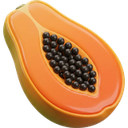 PapayaFrom 6 months
- CantaloupeFrom 6 months
- WatermelonFrom 6 months
- AppleFrom 6 months
- StrawberryFrom 6 months
- KiwiFrom 6 months
- OrangeFrom 6 months
- GrapeFrom 6 months
- PeachFrom 6 months
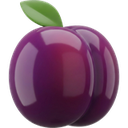 PlumFrom 6 months
- PineappleFrom 6 months
- CoconutFrom 6 months
- BlueberryFrom 6 months
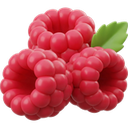 RaspberryFrom 6 months
- BlackberryFrom 6 months
- CherryFrom 6 months
- TangerineFrom 6 months
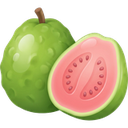 GuavaFrom 6 months
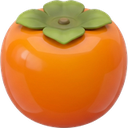 PersimmonFrom 6 months
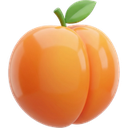 ApricotFrom 6 months
- PlantainFrom 6 months
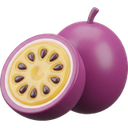 Passion fruitFrom 6 months
- NectarineFrom 6 months
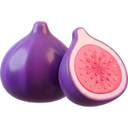 FigFrom 6 months
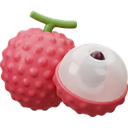 LycheeFrom 1 year
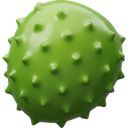 SoursopFrom 9 months
- Acerola (Barbados cherry)From 6 months
- Açaí (pure pulp)From 6 months
- RaisinsFrom 6 months
- OliveFrom 6 months
- JaboticabaFrom 6 months
- PomegranateFrom 6 months
No foods available
Banana
Category
Fruits
How to Prepare
Ripe banana in a piece about the length of an adult finger, with some peel left at the bottom as a handle (baby does not eat the peel), or mashed. From 9 months, small soft pieces.
Squish test: does the food squash easily between your thumb and index finger? Then it's soft enough.
Recipes
- Banana Pancakes 6+ months
- Baked Banana with Cinnamon 6+ months
- Fruit with Yogurt 6+ months
- Banana Toast 8+ months
- Banana with Peanut Butter 6+ months
- Buckwheat Pancakes 6+ months
- Soft Filled Tapioca Crepe 9+ months
- Soft Banana Oat Cookies 6+ months
- No-Sugar Banana Bread 9+ months
- No-Sugar Carrot and Banana Cake 12+ months
Informational content only. It does not replace your pediatrician's advice.
See the safety guideAvocado
Category
Fruits
How to Prepare
Ripe avocado in thick slices or wedges; if it is too slippery, roll it in ground oats or leave a strip of skin on as a handle. It can also be mashed into porridge or onto toast.
Squish test: does the food squash easily between your thumb and index finger? Then it's soft enough.
Recipes
- Mashed Avocado 6+ months
Informational content only. It does not replace your pediatrician's advice.
See the safety guideMango
Category
Fruits
How to offer it safely
Firm mango is slippery: serve it only very ripe and never in cubes.
Always seated, always with an adult watching.
How to Prepare
Very ripe: in wide spears with the skin on as a handle, or the large peeled pit with a little flesh left on for baby to gnaw. From 9 months, small soft pieces. Never firm cubes.
Squish test: does the food squash easily between your thumb and index finger? Then it's soft enough.
Recipes
- Fruit with Yogurt 6+ months
- Greek Yogurt with Mashed Fruit 6+ months
- Chia Pudding with Mango 9+ months
Informational content only. It does not replace your pediatrician's advice.
See the safety guidePear
Category
Fruits
How to offer it safely
Firm raw pear is a choking hazard: cook or grate it first.
Always seated, always with an adult watching.
How to Prepare
Only very ripe and soft (squashes with light finger pressure), in thick peeled slices with the seeds removed. If it is firm, steam it or grate it finely.
Squish test: does the food squash easily between your thumb and index finger? Then it's soft enough.
Recipes
- Millet Porridge with Pear 6+ months
Informational content only. It does not replace your pediatrician's advice.
See the safety guidePapaya
Category
Fruits
How to Prepare
Very ripe papaya, skin and seeds removed, in thick slices or mashed. If it is slippery, roll it in ground oats. From 9 months, small soft pieces.
Squish test: does the food squash easily between your thumb and index finger? Then it's soft enough.
Informational content only. It does not replace your pediatrician's advice.
See the safety guideCantaloupe
Category
Fruits
How to offer it safely
Never as melon balls or cubes: firm melon is a choking hazard.
Always seated, always with an adult watching.
How to Prepare
Wash and scrub the rind before cutting. Serve very ripe, rind and seeds removed, in long flat slices (crescents). From 9 months, thin finger-size pieces.
Squish test: does the food squash easily between your thumb and index finger? Then it's soft enough.
Informational content only. It does not replace your pediatrician's advice.
See the safety guideWatermelon
Category
Fruits
How to offer it safely
Seeds out, and no melon balls or small cubes before 9 months: choking risk.
Always seated, always with an adult watching.
How to Prepare
Remove all seeds. 6 to 9 months: thick sticks (two adult fingers wide), rind removed, for baby to hold and suck. From 9 months: small bite-size pieces. Never as melon balls.
Squish test: does the food squash easily between your thumb and index finger? Then it's soft enough.
Informational content only. It does not replace your pediatrician's advice.
See the safety guideApple
Category
Fruits
How to offer it safely
Raw apple chunks are one of the top choking hazards.
Always seated, always with an adult watching.
How to Prepare
Steamed until it squashes between your fingers, in halves or thick slices without seeds, or finely grated raw. Raw only as very thin slices after 12 months; raw chunks not until about age 2.
Squish test: does the food squash easily between your thumb and index finger? Then it's soft enough.
Informational content only. It does not replace your pediatrician's advice.
See the safety guideStrawberry
Category
Fruits
How to offer it safely
A small, firm whole strawberry is a choking hazard: quarter it.
Always seated, always with an adult watching.
How to Prepare
6 to 9 months: large, ripe, soft strawberries, whole with the leaves removed, or mashed. From 9 months: thin slices or quarters. Small or firm berries always quartered. Wash well.
Squish test: does the food squash easily between your thumb and index finger? Then it's soft enough.
Recipes
- Fruit with Yogurt 6+ months
- Greek Yogurt with Mashed Fruit 6+ months
Informational content only. It does not replace your pediatrician's advice.
See the safety guideKiwi
Category
Fruits
How to offer it safely
Firm kiwi is slippery: serve it only very ripe and soft.
Always seated, always with an adult watching.
How to Prepare
Very ripe and soft, peeled, in halves or thick lengthwise wedges. From 9 months: thin slices or small pieces; roll them in ground oats if slippery.
Squish test: does the food squash easily between your thumb and index finger? Then it's soft enough.
Informational content only. It does not replace your pediatrician's advice.
See the safety guideOrange
Category
Fruits
How to offer it safely
Whole segments in their membrane are slippery: a choking risk before 18 months.
Always seated, always with an adult watching.
How to Prepare
6 to 9 months: thick wedges with the peel on and seeds removed, to hold and suck. From 9 months: small pieces of flesh with membrane, peel and seeds removed. Offer the fruit rather than juice.
Squish test: does the food squash easily between your thumb and index finger? Then it's soft enough.
Informational content only. It does not replace your pediatrician's advice.
See the safety guideGrape
Category
Fruits
How to offer it safely
Never whole or just halved before age 4.
Always seated, always with an adult watching.
How to Prepare
ALWAYS cut into quarters lengthwise and, for babies under 9 months, flatten each piece. Prefer seedless grapes. Whole or halved grapes are a serious choking hazard until age 4.
Squish test: does the food squash easily between your thumb and index finger? Then it's soft enough.
Informational content only. It does not replace your pediatrician's advice.
See the safety guidePeach
Category
Fruits
How to offer it safely
Firm peach is slippery: cook it before serving.
Always seated, always with an adult watching.
How to Prepare
Very ripe and soft, pitted, in thick slices with or without the skin. If it is firm, steam it until soft. From 9 months, small soft pieces.
Squish test: does the food squash easily between your thumb and index finger? Then it's soft enough.
Informational content only. It does not replace your pediatrician's advice.
See the safety guidePlum
Category
Fruits
How to offer it safely
Always pitted; prunes only rehydrated and finely chopped.
Always seated, always with an adult watching.
How to Prepare
Very ripe and soft, pitted, in halves or thick slices; the skin helps baby grip. If it is firm, cook it until soft. From 9 months, small soft pieces.
Squish test: does the food squash easily between your thumb and index finger? Then it's soft enough.
Informational content only. It does not replace your pediatrician's advice.
See the safety guidePineapple
Category
Fruits
How to offer it safely
Firm pineapple cubes are a choking hazard.
Always seated, always with an adult watching.
How to Prepare
Very ripe, peeled and cored, in long flat strips. From 9 months, small soft pieces. Never firm cubes or canned chunks. It is acidic: mild redness around the mouth is common.
Squish test: does the food squash easily between your thumb and index finger? Then it's soft enough.
Informational content only. It does not replace your pediatrician's advice.
See the safety guideCoconut
Category
Fruits
How to offer it safely
Pieces and flakes of mature coconut are hard: choking risk.
Always seated, always with an adult watching.
How to Prepare
Up to 9 months: only finely shredded unsweetened coconut mixed into porridge or fruit, or coconut milk in food. From 9 months: thin soft strips. Chunks, flakes and chips only after 18 months.
Squish test: does the food squash easily between your thumb and index finger? Then it's soft enough.
Recipes
- Chia Pudding with Mango 9+ months
Informational content only. It does not replace your pediatrician's advice.
See the safety guideBlueberry
Category
Fruits
How to offer it safely
Whole blueberries are round and firm: health agencies list them as a hazard until age 4.
Always seated, always with an adult watching.
How to Prepare
6 to 9 months: mashed, or cooked until they burst, mixed into plain yogurt or porridge. From 9 months: flatten each one between your fingers. Whole only once the child chews well, always supervised.
Squish test: does the food squash easily between your thumb and index finger? Then it's soft enough.
Recipes
- Greek Yogurt with Mashed Fruit 6+ months
Informational content only. It does not replace your pediatrician's advice.
See the safety guideRaspberry
Category
Fruits
How to offer it safely
Flatten first: small whole fruit can cause choking.
Always seated, always with an adult watching.
How to Prepare
Very ripe and soft: flatten each one between your fingers or tear it in half before serving, or mash it into porridge. Wash well. From 12 months, whole if the child chews well.
Squish test: does the food squash easily between your thumb and index finger? Then it's soft enough.
Informational content only. It does not replace your pediatrician's advice.
See the safety guideBlackberry
Category
Fruits
How to offer it safely
Firm whole blackberries are a choking hazard: flatten or quarter them.
Always seated, always with an adult watching.
How to Prepare
Only very ripe and soft. Up to 9 months: mashed or flattened between your fingers. From 9 months: quartered lengthwise or flattened. Never serve firm or large berries whole.
Squish test: does the food squash easily between your thumb and index finger? Then it's soft enough.
Informational content only. It does not replace your pediatrician's advice.
See the safety guideCherry
Category
Fruits
How to offer it safely
Never whole or just halved; always pitted.
Always seated, always with an adult watching.
How to Prepare
Always pitted and quartered (or flattened). Up to 9 months it can also be mashed into plain yogurt or porridge. Never whole or just halved: same shape and risk as grapes.
Squish test: does the food squash easily between your thumb and index finger? Then it's soft enough.
Informational content only. It does not replace your pediatrician's advice.
See the safety guideTangerine
Category
Fruits
How to offer it safely
Whole segments in their membrane are slippery: choking risk.
Always seated, always with an adult watching.
How to Prepare
Remove the seeds and the membrane of each segment. Up to 9 months: mashed flesh or flattened pieces. From 9 months: small pieces of flesh. Whole segments with membrane only after 18 months.
Squish test: does the food squash easily between your thumb and index finger? Then it's soft enough.
Informational content only. It does not replace your pediatrician's advice.
See the safety guideGuava
Category
Fruits
How to offer it safely
Guava seeds are small and hard: remove all of them.
Always seated, always with an adult watching.
How to Prepare
Very ripe and soft: remove the skin and all the seeds (scoop the flesh with a spoon) and serve it mashed or in large soft pieces. Never with seeds.
Squish test: does the food squash easily between your thumb and index finger? Then it's soft enough.
Informational content only. It does not replace your pediatrician's advice.
See the safety guidePersimmon
Category
Fruits
How to offer it safely
Firm persimmon is slippery: only very ripe.
Always seated, always with an adult watching.
How to Prepare
Only very ripe and soft: flesh scooped with a spoon or soft wedges, seeds and calyx removed. From 9 months, small pieces. Firm persimmon is slippery and astringent: wait until it ripens.
Squish test: does the food squash easily between your thumb and index finger? Then it's soft enough.
Informational content only. It does not replace your pediatrician's advice.
See the safety guideApricot
Category
Fruits
How to offer it safely
Whole dried fruit is hard and sticky: choking risk.
Always seated, always with an adult watching.
How to Prepare
Fresh: very ripe, pitted, in halves or mashed. Dried: soak in hot water and chop very finely, mixed into food. Whole dried apricots only after age 2.
Squish test: does the food squash easily between your thumb and index finger? Then it's soft enough.
Informational content only. It does not replace your pediatrician's advice.
See the safety guidePlantain
Category
Fruits
How to Prepare
Always cooked, baked or grilled until very soft, in thick sticks or mashed. Raw plantain is hard and hard to digest. No sugar, not fried.
Squish test: does the food squash easily between your thumb and index finger? Then it's soft enough.
Informational content only. It does not replace your pediatrician's advice.
See the safety guidePassion fruit
Category
Fruits
How to offer it safely
Unripe fruit and the peel can be toxic: use only ripe passion fruit.
Always seated, always with an adult watching.
How to Prepare
Only the pulp of fully ripe fruit (wrinkled skin), mixed into plain yogurt or mashed fruit, without sugar. The seeds are not usually a choking hazard; strain them if you prefer.
Squish test: does the food squash easily between your thumb and index finger? Then it's soft enough.
Informational content only. It does not replace your pediatrician's advice.
See the safety guideNectarine
Category
Fruits
How to offer it safely
Firm nectarine is slippery: cook it before serving.
Always seated, always with an adult watching.
How to Prepare
Very ripe and soft, pitted, in thick slices. If it is firm, steam it until soft. From 9 months, small soft pieces.
Squish test: does the food squash easily between your thumb and index finger? Then it's soft enough.
Informational content only. It does not replace your pediatrician's advice.
See the safety guideFig
Category
Fruits
How to Prepare
Ripe and soft, washed, halved or quartered so baby can eat the flesh. Dried figs only rehydrated and finely chopped.
Squish test: does the food squash easily between your thumb and index finger? Then it's soft enough.
Informational content only. It does not replace your pediatrician's advice.
See the safety guideLychee
Category
Fruits
How to offer it safely
Toxic seed and a round, slippery fruit: high choking risk. Never unripe.
Always seated, always with an adult watching.
How to Prepare
Only very ripe fruit, peeled and pitted, finely chopped or quartered and flattened. Offer it with a meal, never on an empty stomach. Whole only after age 2.
Informational content only. It does not replace your pediatrician's advice.
See the safety guideSoursop
Category
Fruits
How to offer it safely
Soursop seeds are toxic and hard: remove every one.
Always seated, always with an adult watching.
How to Prepare
Very ripe flesh with every seed removed, mashed or mixed into porridge. Strain out tough fibers. Never the seeds: they are toxic.
Informational content only. It does not replace your pediatrician's advice.
See the safety guideAcerola (Barbados cherry)
Category
Fruits
How to offer it safely
Whole acerola is like a grape and has seeds: high choking risk.
Always seated, always with an adult watching.
How to Prepare
Remove the seeds and serve only the pulp, mashed or stirred into plain yogurt, porridge or another mashed fruit. Never whole: it is small, round and has seeds. Great alongside lunch, as its vitamin C helps iron absorption.
Squish test: does the food squash easily between your thumb and index finger? Then it's soft enough.
Informational content only. It does not replace your pediatrician's advice.
See the safety guideAçaí (pure pulp)
Category
Fruits
How to offer it safely
Buy pasteurized or blanched pulp from a trusted source: poorly processed açaí has transmitted Chagas disease. The whole berry has a pit: never offer it.
Always seated, always with an adult watching.
How to Prepare
Use pure, unsweetened, pasteurized pulp stirred into plain yogurt, porridge or mashed banana. Açaí bowls from shops contain guaraná syrup, sugar, granola and condensed milk: not for babies.
Squish test: does the food squash easily between your thumb and index finger? Then it's soft enough.
Informational content only. It does not replace your pediatrician's advice.
See the safety guideRaisins
Category
Fruits
How to offer it safely
Whole raisins are firm and sticky: high choking risk.
Always seated, always with an adult watching.
How to Prepare
Soak in hot water for 15 minutes, then chop very finely, mash or blend into porridge or plain yogurt. Whole raisins only around age 2, a few at a time.
Squish test: does the food squash easily between your thumb and index finger? Then it's soft enough.
Informational content only. It does not replace your pediatrician's advice.
See the safety guideOlive
Category
Fruits
How to offer it safely
Whole olives are round, slippery and may hide a pit: high choking risk.
Always seated, always with an adult watching.
How to Prepare
Always pitted. 6 to 9 months: finely chopped or as a paste, mixed into food or on toast. Later, thin rings. Whole only after age 2. It is salty: small amounts.
Squish test: does the food squash easily between your thumb and index finger? Then it's soft enough.
Informational content only. It does not replace your pediatrician's advice.
See the safety guideJaboticaba
Category
Fruits
How to offer it safely
Whole jaboticaba is like a grape: high choking risk.
Always seated, always with an adult watching.
How to Prepare
Remove the skin and the seed and serve only the pulp, mashed or mixed into plain yogurt. Never whole: it has the size and shape of a grape.
Squish test: does the food squash easily between your thumb and index finger? Then it's soft enough.
Informational content only. It does not replace your pediatrician's advice.
See the safety guidePomegranate
Category
Fruits
How to offer it safely
Whole arils are small and slippery: crush them before 12 months.
Always seated, always with an adult watching.
How to Prepare
6 to 12 months: arils crushed or flattened, mixed into plain yogurt or porridge. Whole arils only after 12 months if the child chews well, a few at a time.
Squish test: does the food squash easily between your thumb and index finger? Then it's soft enough.
Informational content only. It does not replace your pediatrician's advice.
See the safety guideWhat matters with fruit
- Fruit can start at 6 months, mashed or in soft pieces; offer whole fruit rather than juice, which is not recommended before 12 months (CDC).
- Small round fruits such as grapes, blueberries and cherries are always cut into pieces; whole, they are classic choking hazards (CDC).
- Firm fruit (apple, hard pear) is steamed or finely grated until baby can chew.
See the full list of 140 foods →
Lists by category
 Baby led weaning food list: search by age, cut and choking riskBaby led weaning food list with 140 foods: starting age, how to cut at 6, 9 and 12 months, choking risk and allergens. Search and filter.
- Vegetables for baby led weaning: 36 veggies by ageVegetables for baby led weaning from 6 months: 36 vegetables with how soft to cook them, the cut by age and the choking risk.
- Protein for baby led weaning: 31 meats, eggs, fish and beansProtein for baby led weaning from 6 months: 31 meats, eggs, fish, beans and nuts with the cut for each stage and the allergens.
- Grains for baby led weaning: 22 grains and starchesGrains for baby led weaning from 6 months: rice, oats, corn, wheat, quinoa and 17 more, with the prep by age and gluten notes.
- Dairy products for baby: what starts at 6 months and what waitsDairy products for baby: plain yogurt and pasteurized cheese from 6 months, cow's milk as a drink only after 12 months, and what waits until 2.
- Foods babies can't eat yet, and until whenFoods babies can't eat: honey and cow's milk as a drink before 1, added sugar and processed snacks while small, popcorn and whole nuts before 4.
- Choking hazards for babies: high-risk foods and how to serve themThe 24 food choking hazards for babies, like grapes, raw apple, nuts and hot dogs, and the cut that makes each one safer by age.
Guides that go deeper
- Baby led weaning first foods: 12 to start with
- Gagging vs choking: how to tell the difference
- How to introduce allergens to baby
- Baby led weaning meal plan by month
- How much solid food should a 6 month old eat?
Take the list on your phone
Only in the BLW Baby app for iPhone: the library comes with a feeding diary, where you tick each food baby has tried and note reactions.